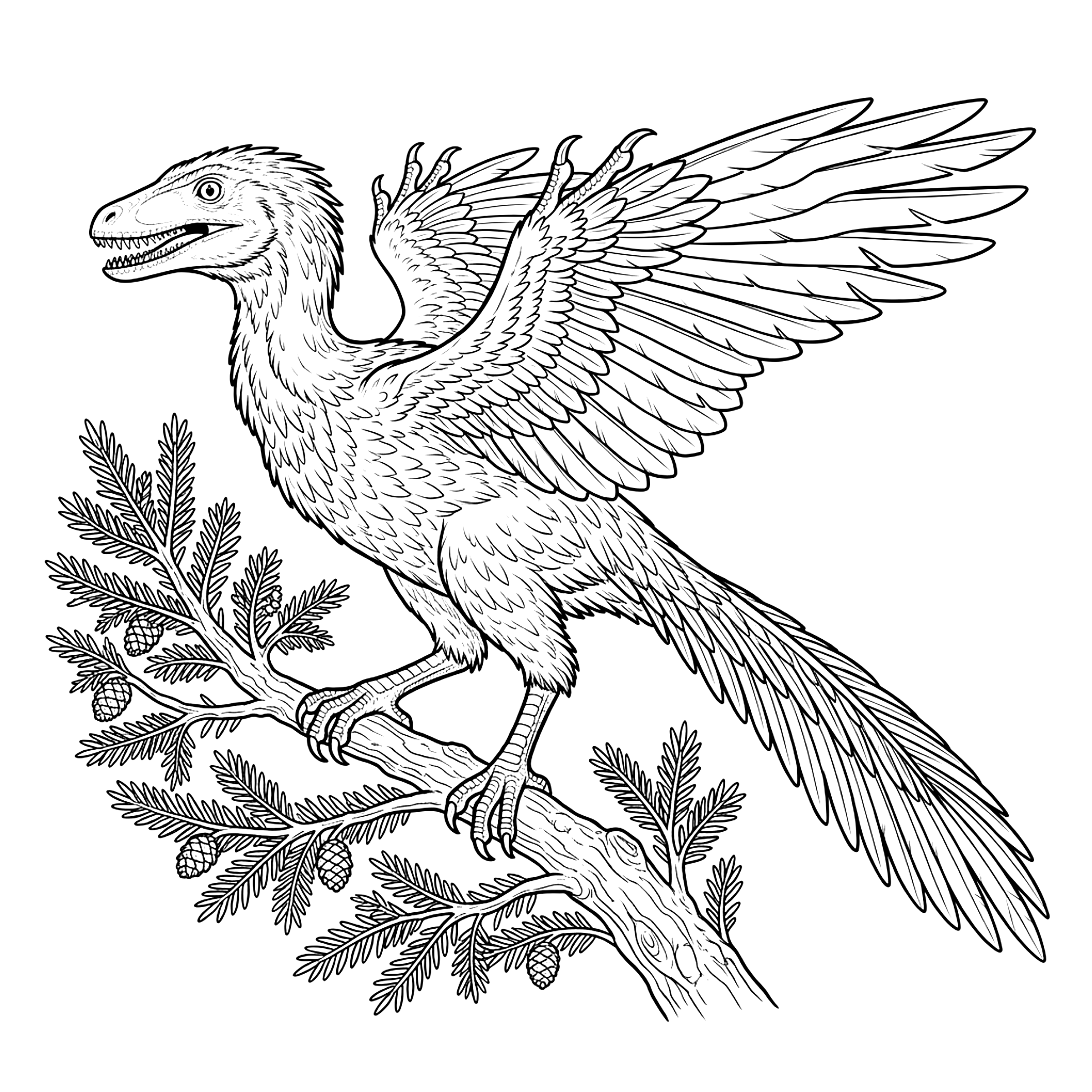
Formidable defense of an armored herbivore
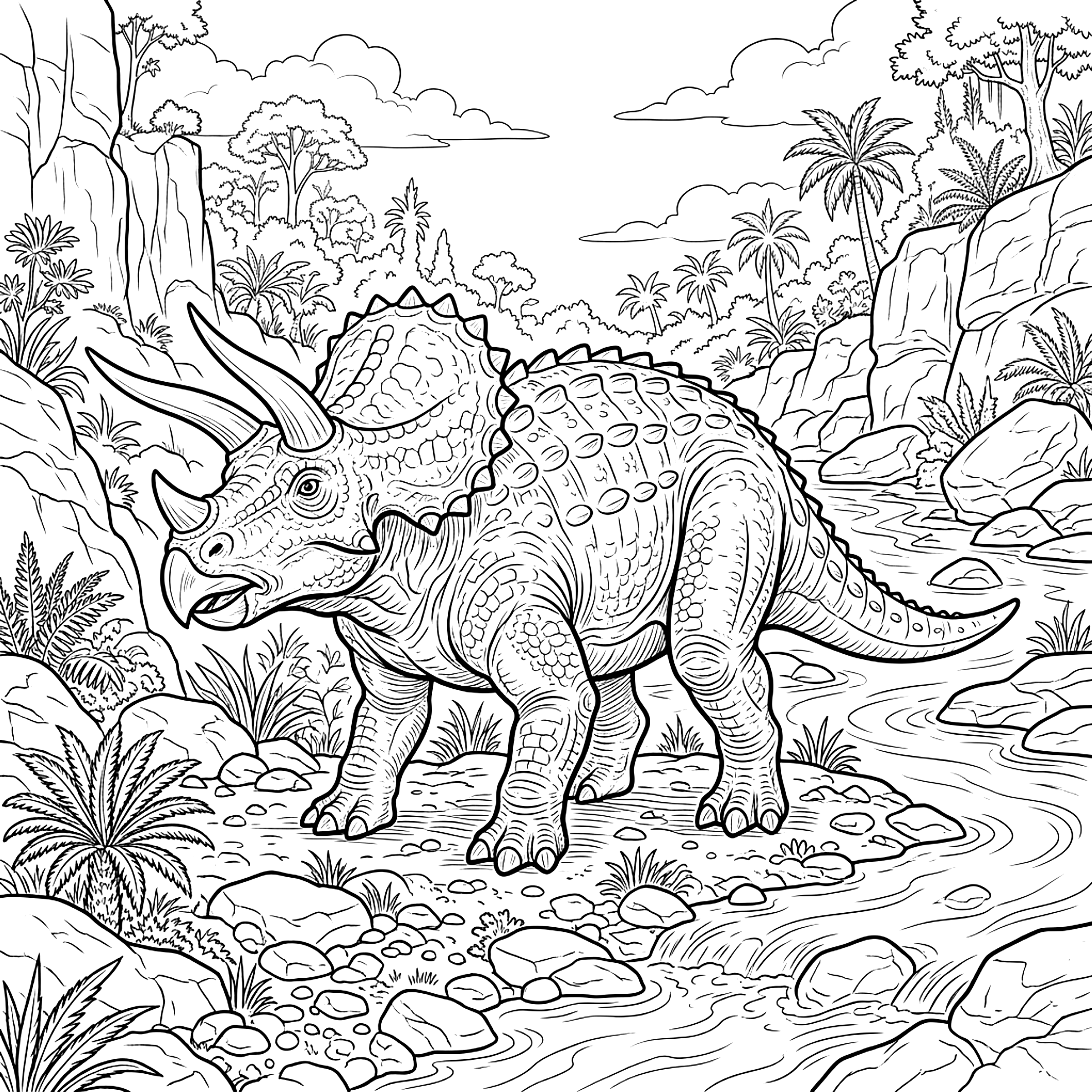
This coloring sheet faithfully depicts the robust skeleton of the famous ceratopsian. The broad neck frill features scalloped defensive borders, a parrot-like beak suited for snipping fibrous cycad stems, and four sturdy pillar-like legs planted firmly on river rocks. The sweeping parietal frill features protective scalloped edges engineered to deflect predator strikes while asserting herd authority. Each bone segment along the frill margin offers young artists an engaging opportunity to explore light and shadow shading.
An inspiring coloring challenge for ages 6 to 12
Perfect for elementary school students and dinosaur enthusiasts. The broad expanse of the skull frill and three horns offers a wonderful canvas to design custom color patterns, spots, or defensive stripes that bring the gentle giant to life.
How to achieve the cleanest print output
Download the print-ready PDF in US Letter or A4 format. Thanks to clean vector outlines, this sheet prints crisply on standard home printer paper or cardstock, pairing well with markers, crayons, or colored pencils.
Coloring techniques for armored bone plates
Color the main body in warm clay brown, dusty taupe, or weathered sage green. On the large neck frill, try adding two bold eye-like display spots in burnt ochre or sunset orange to suggest a visual predator intimidation display. Mottled earthy russet and forest sage capture weathered prehistoric hide while three brow horns shine in polished ivory tones.
The real purpose of Triceratops horns and frills
While horns provided essential defense against predators, paleontologists have discovered that the large frills were also used for visual display and social communication within prehistoric herds. Extensive herds of triceratops grazed along lush Cretaceous river plains, utilizing parrot-like beaks to shear tough palm fronds while fossil skull excavations reveal healing bone marks that prove fierce defensive skirmishes.