Vehicle Coloring Pages
Engines, wheels, wings and sails drawn with the kind of detail kids ask for once they are past toy cars with smiling faces. This folder holds real-looking vehicles on highways, in the sky and out at sea, with backgrounds that are as fun to color as the machines themselves. Every page is a free PDF for Letter or A4 paper, with no brands and no logos.
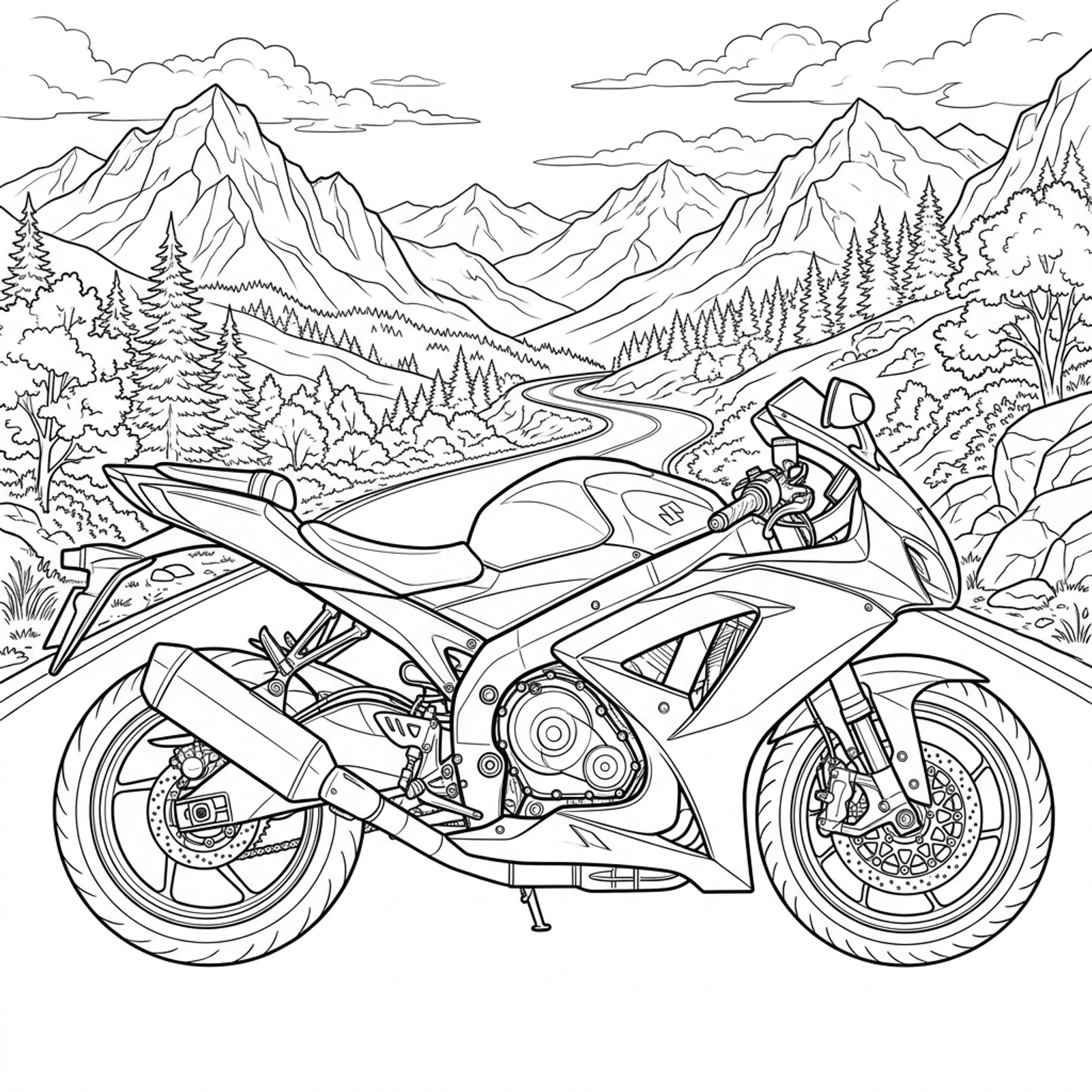
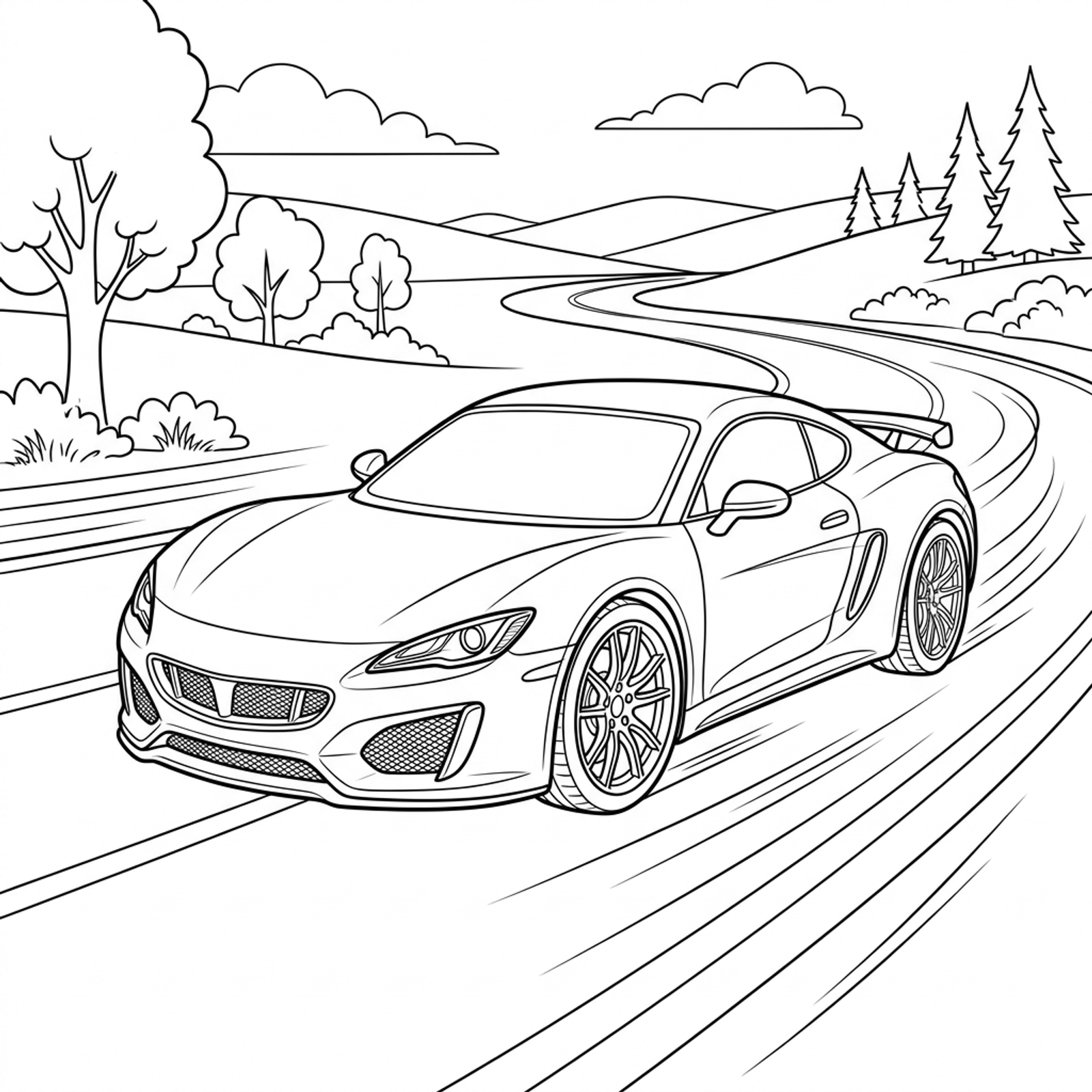
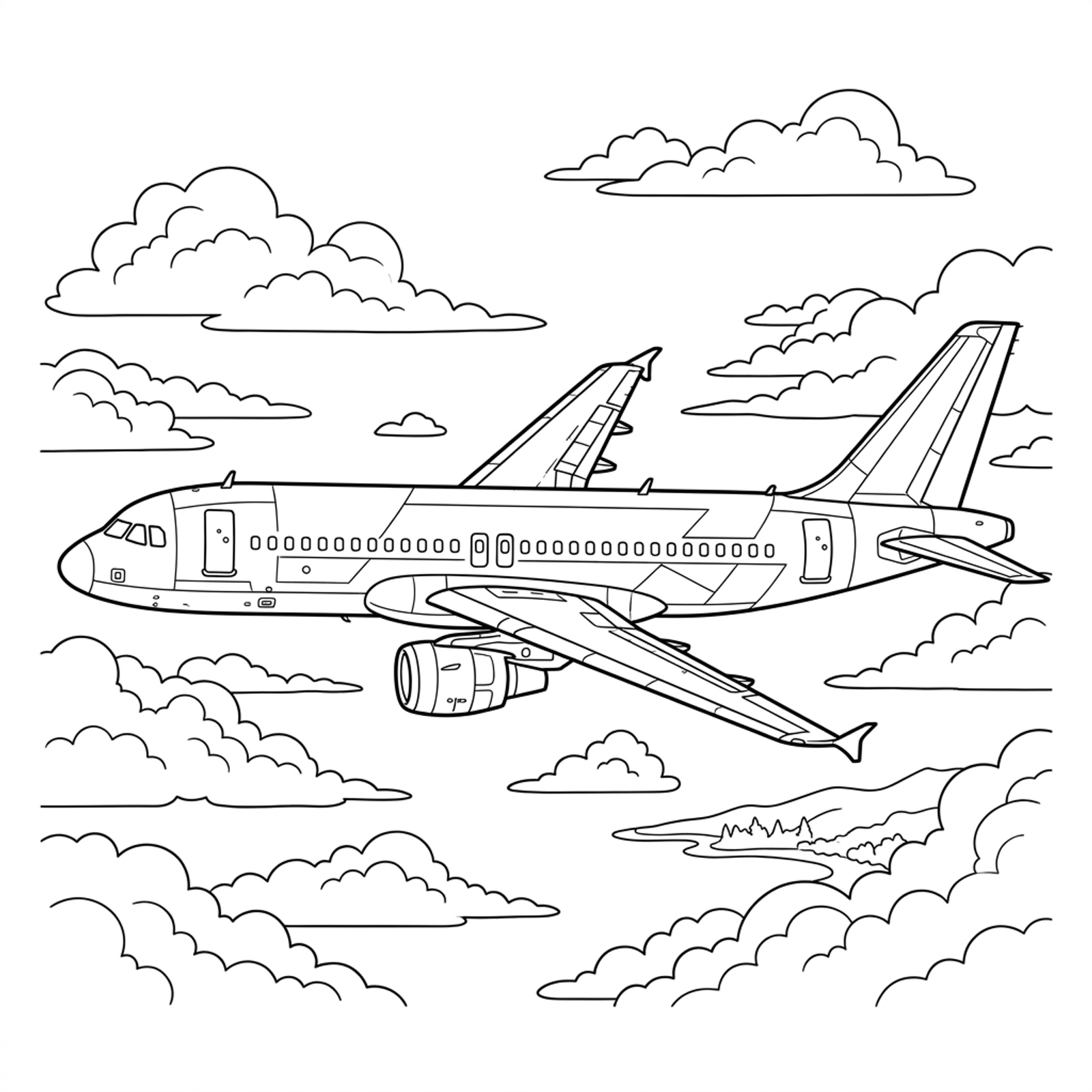
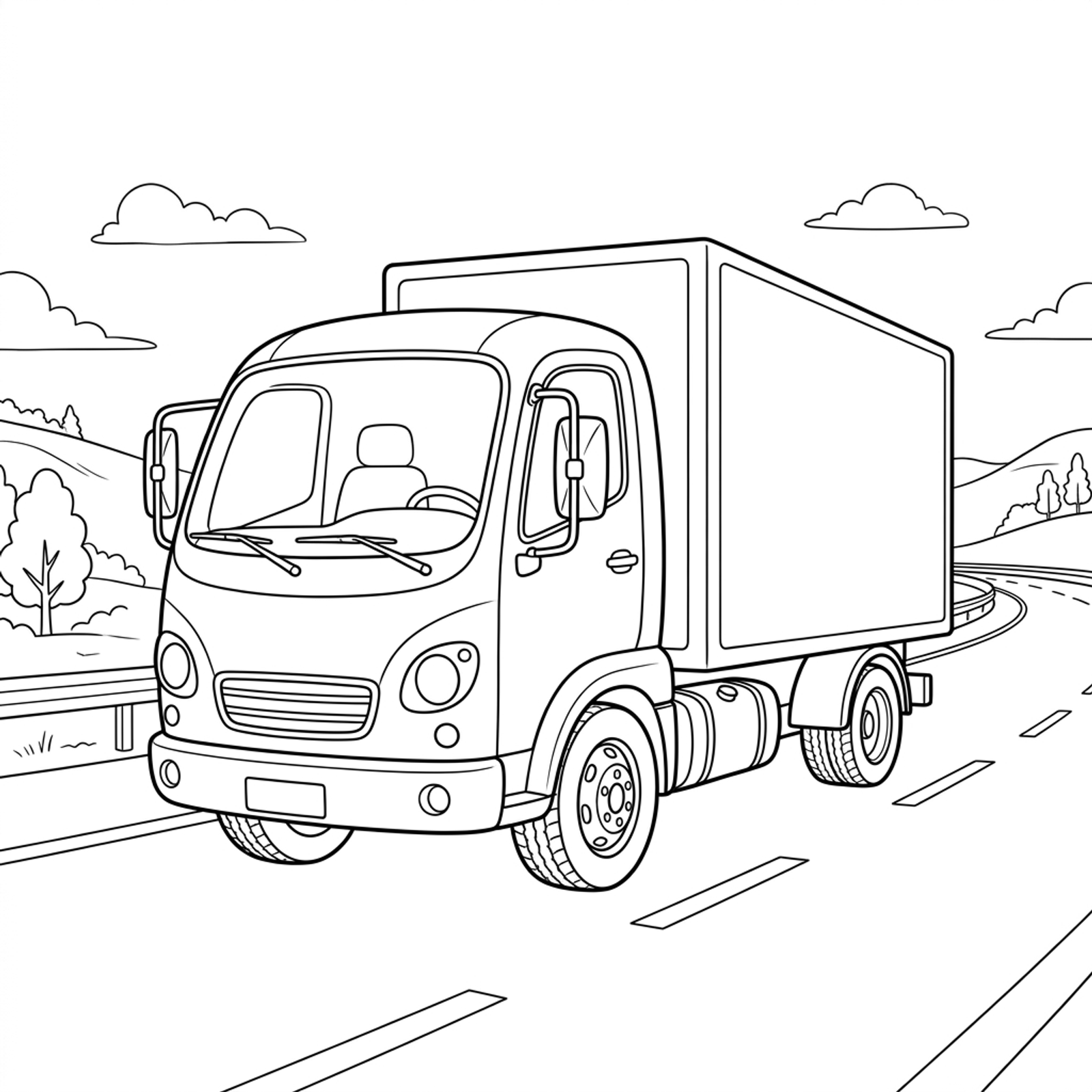
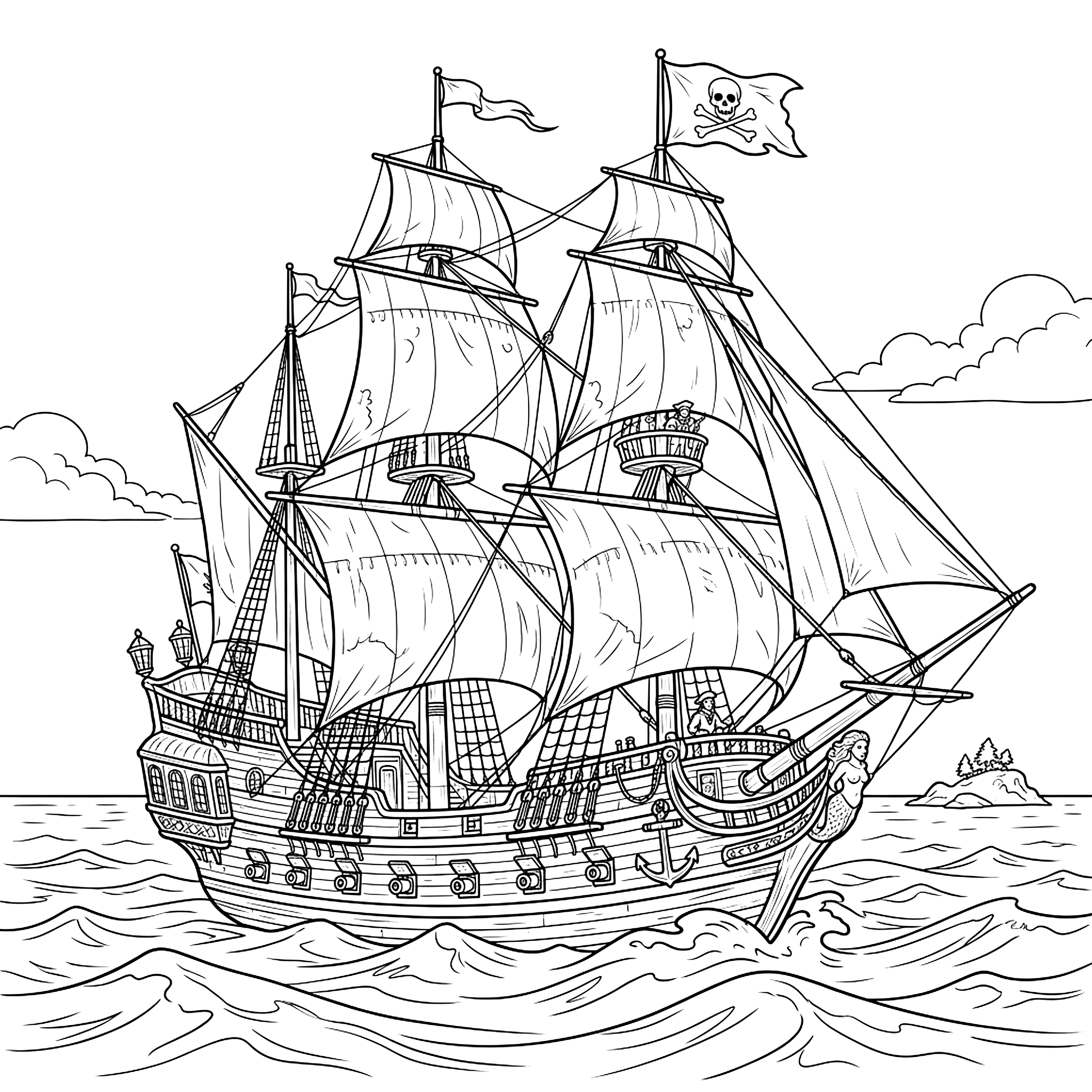
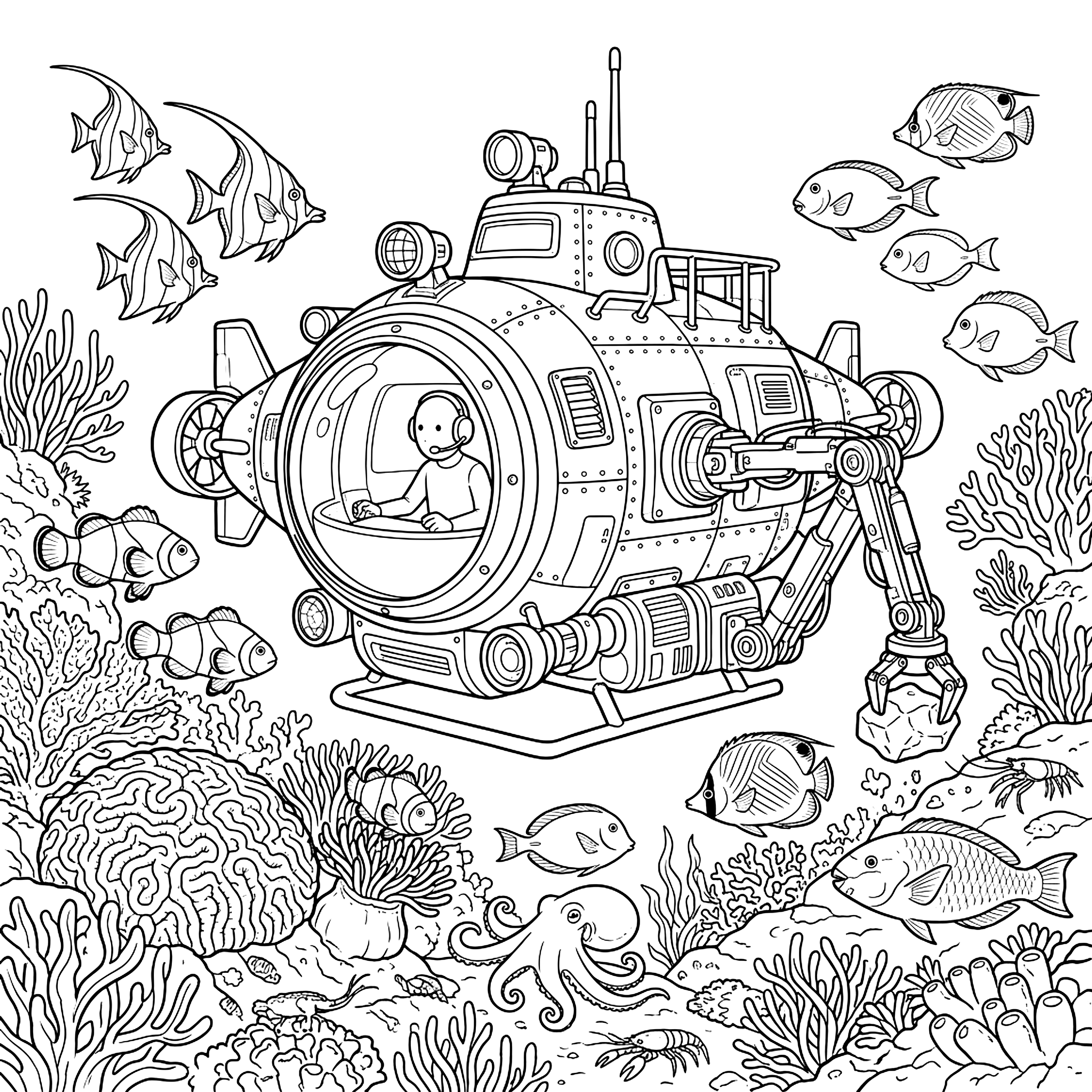
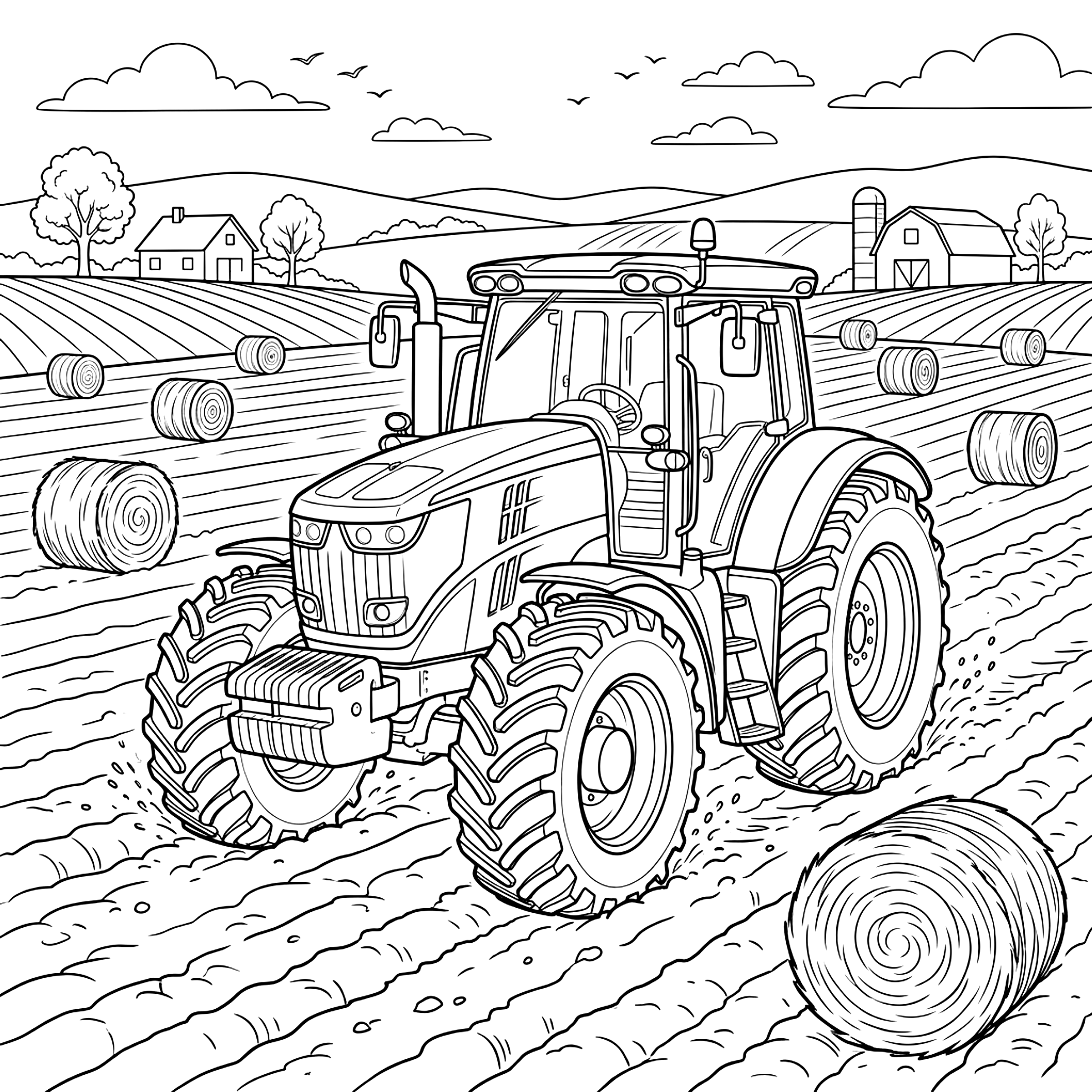
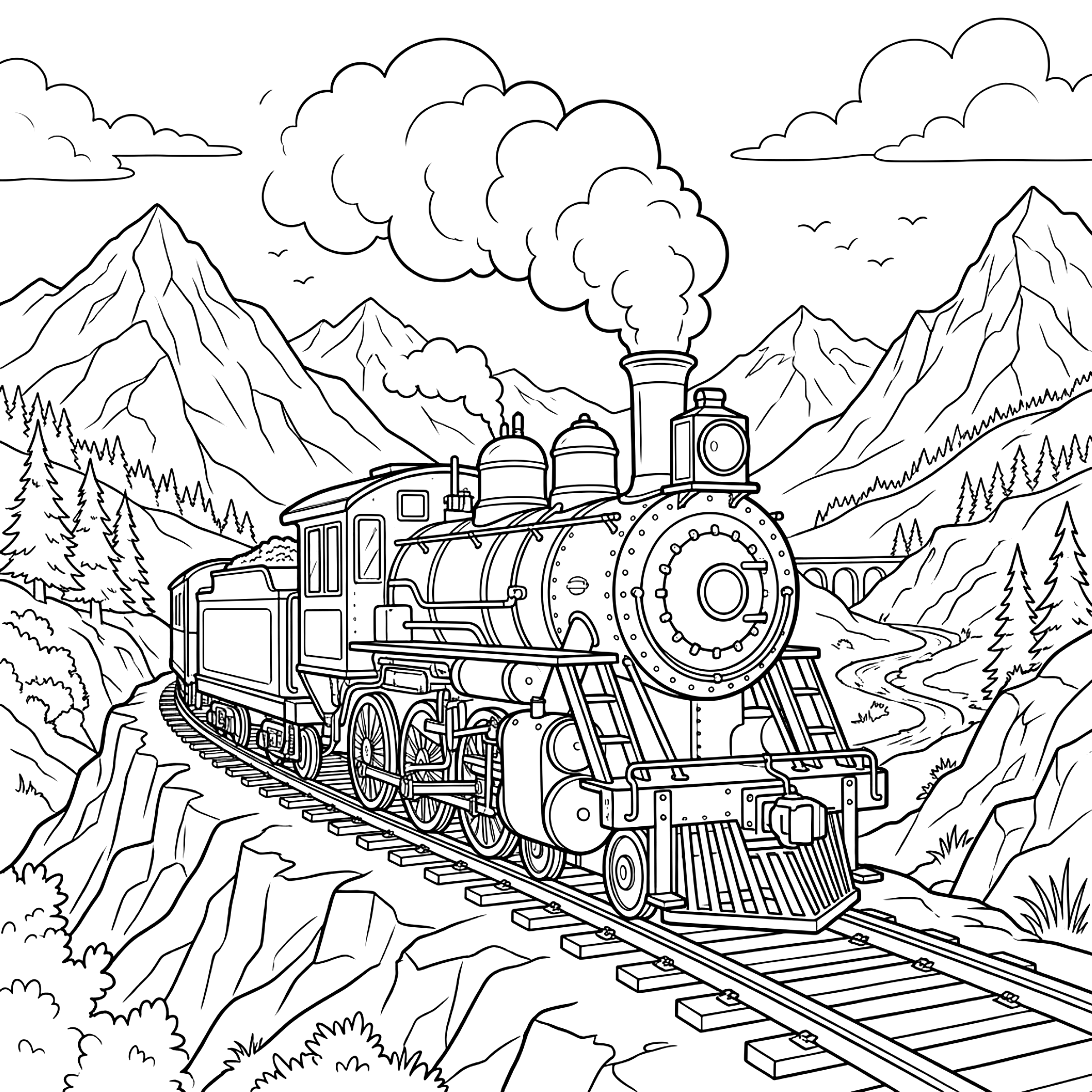

Which vehicles you can color
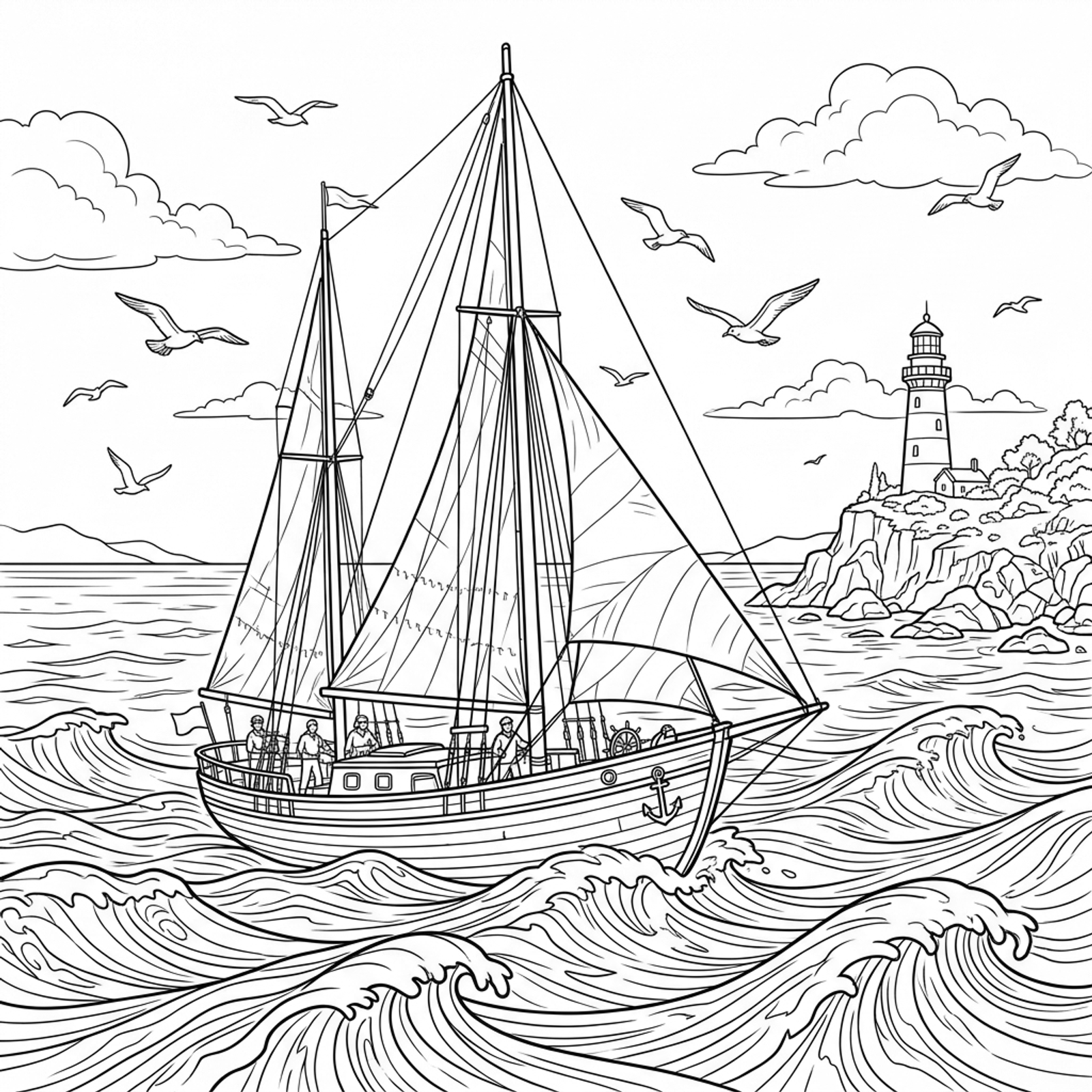
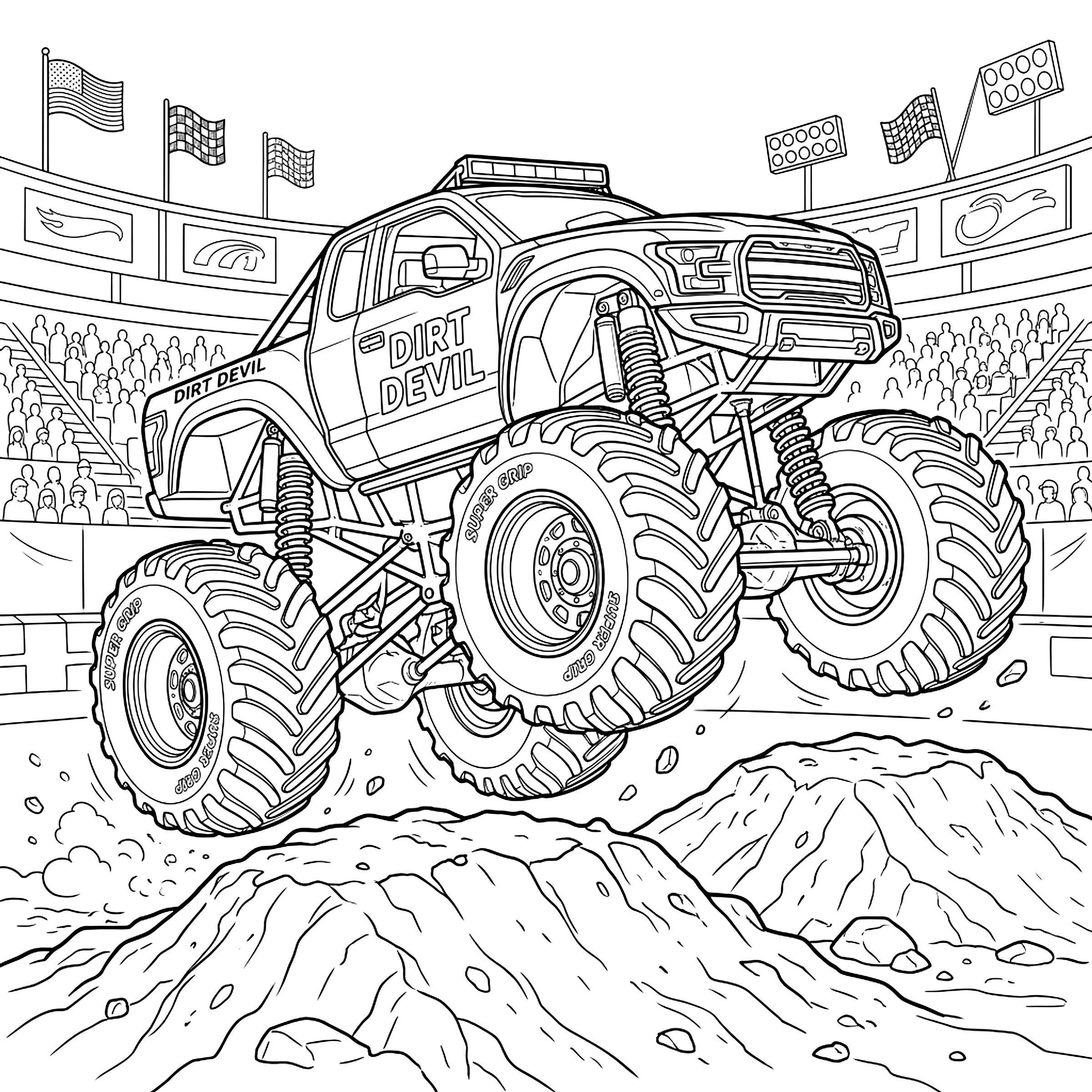
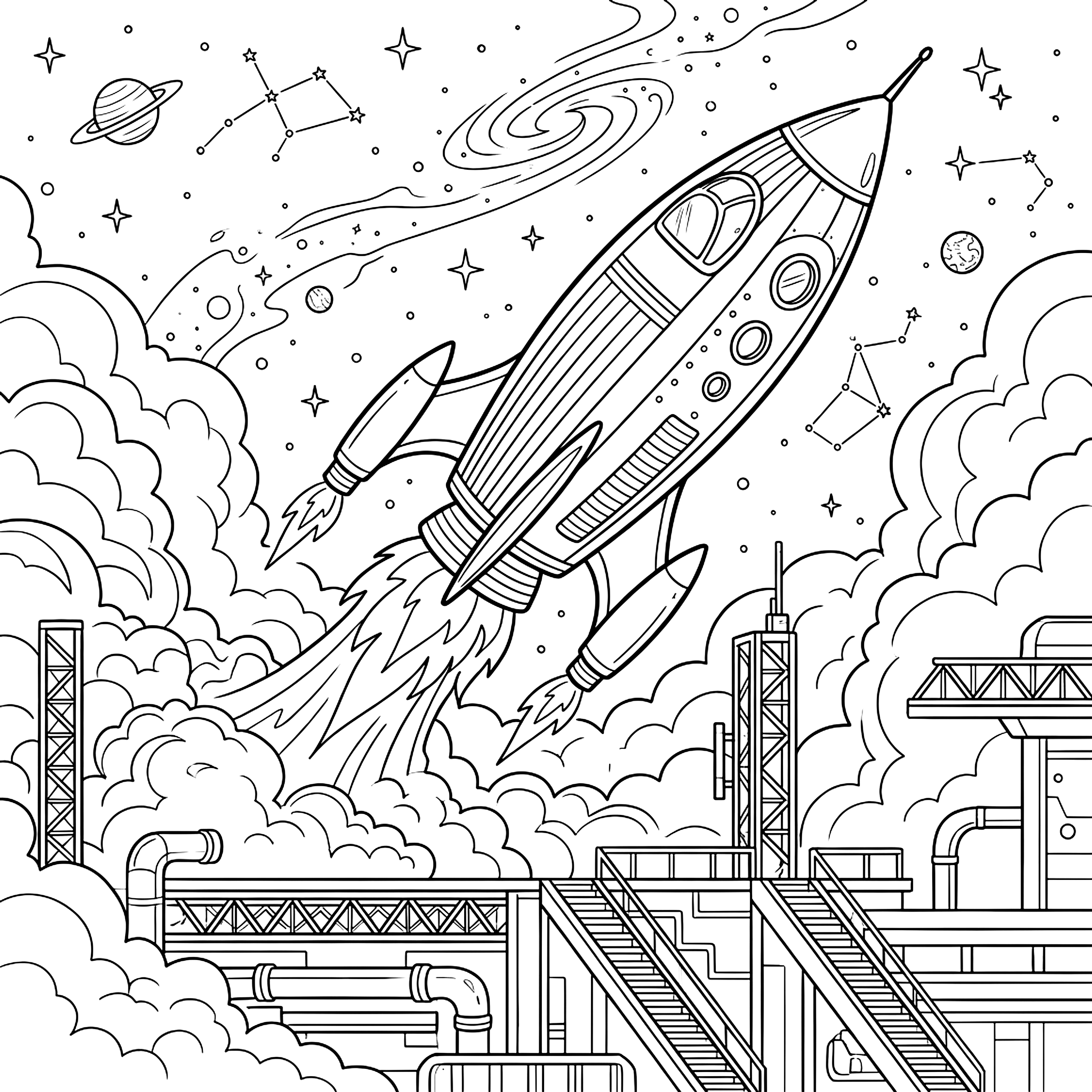
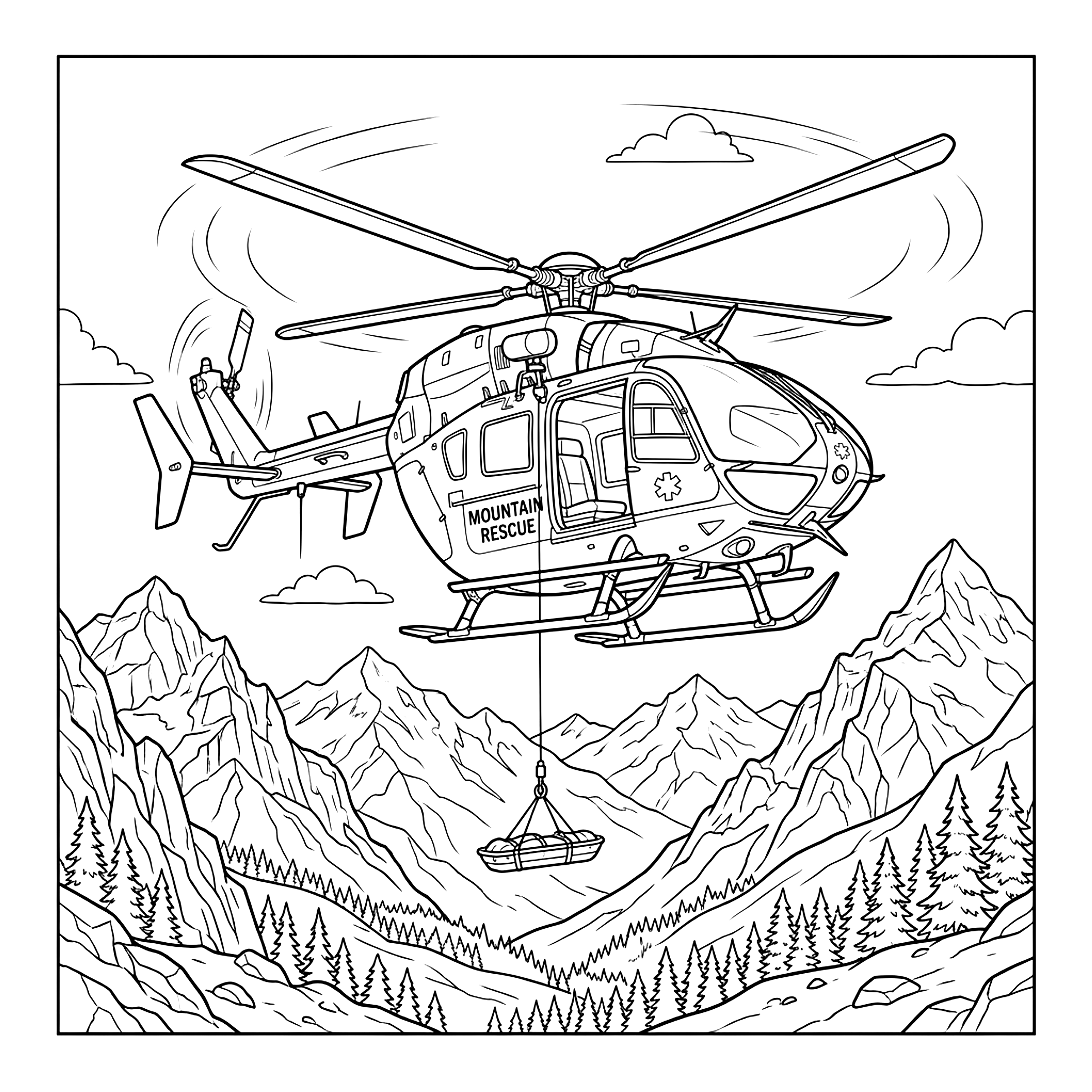
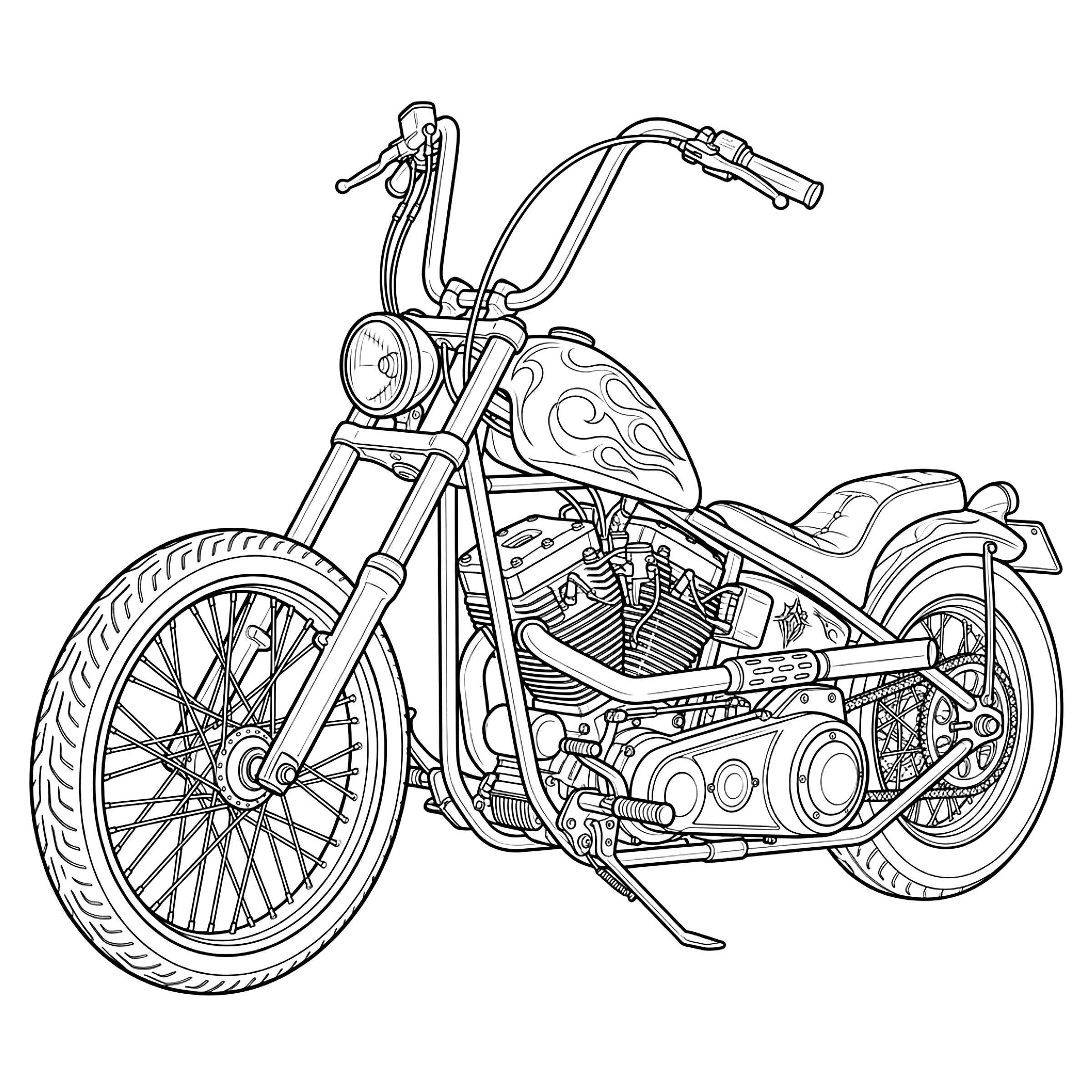
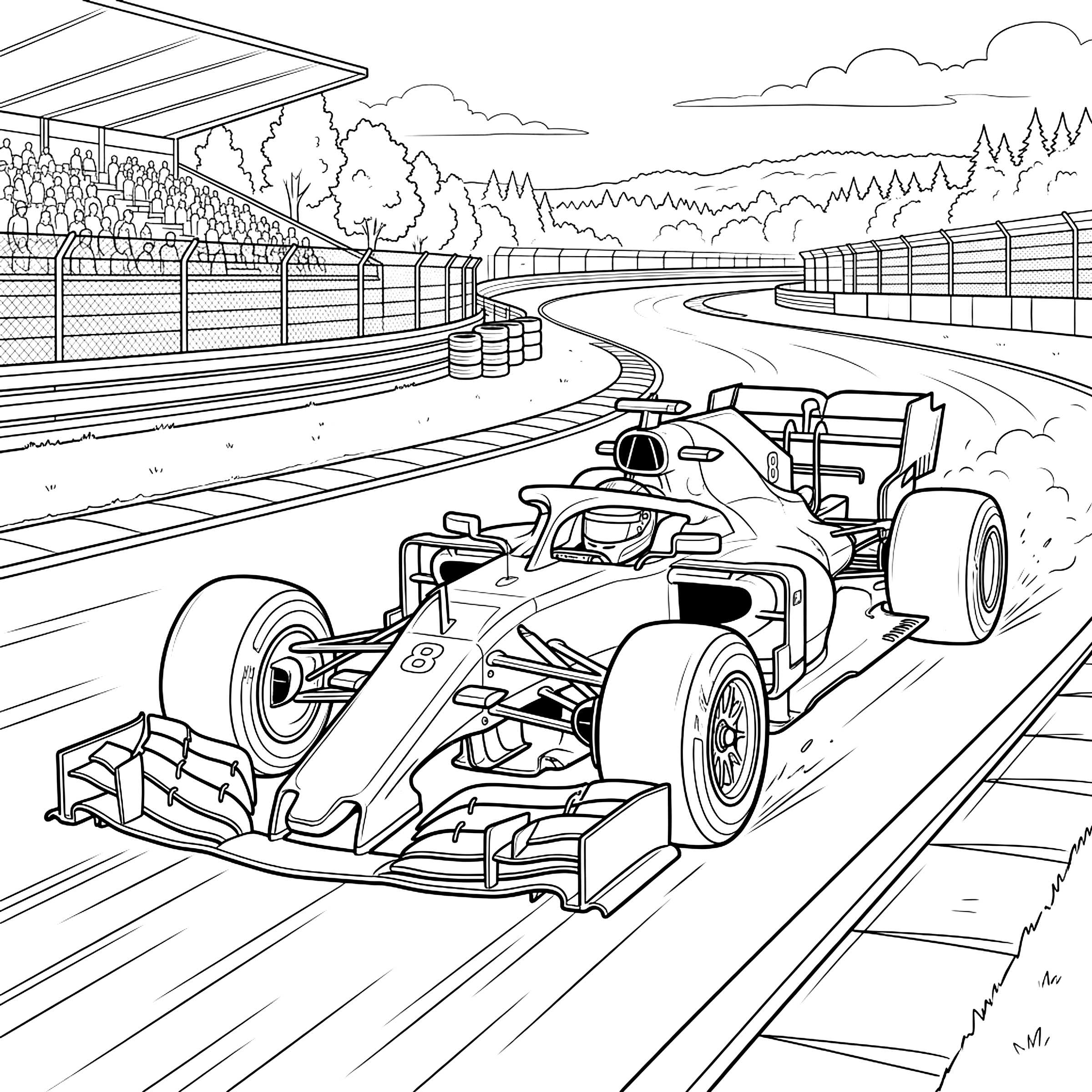
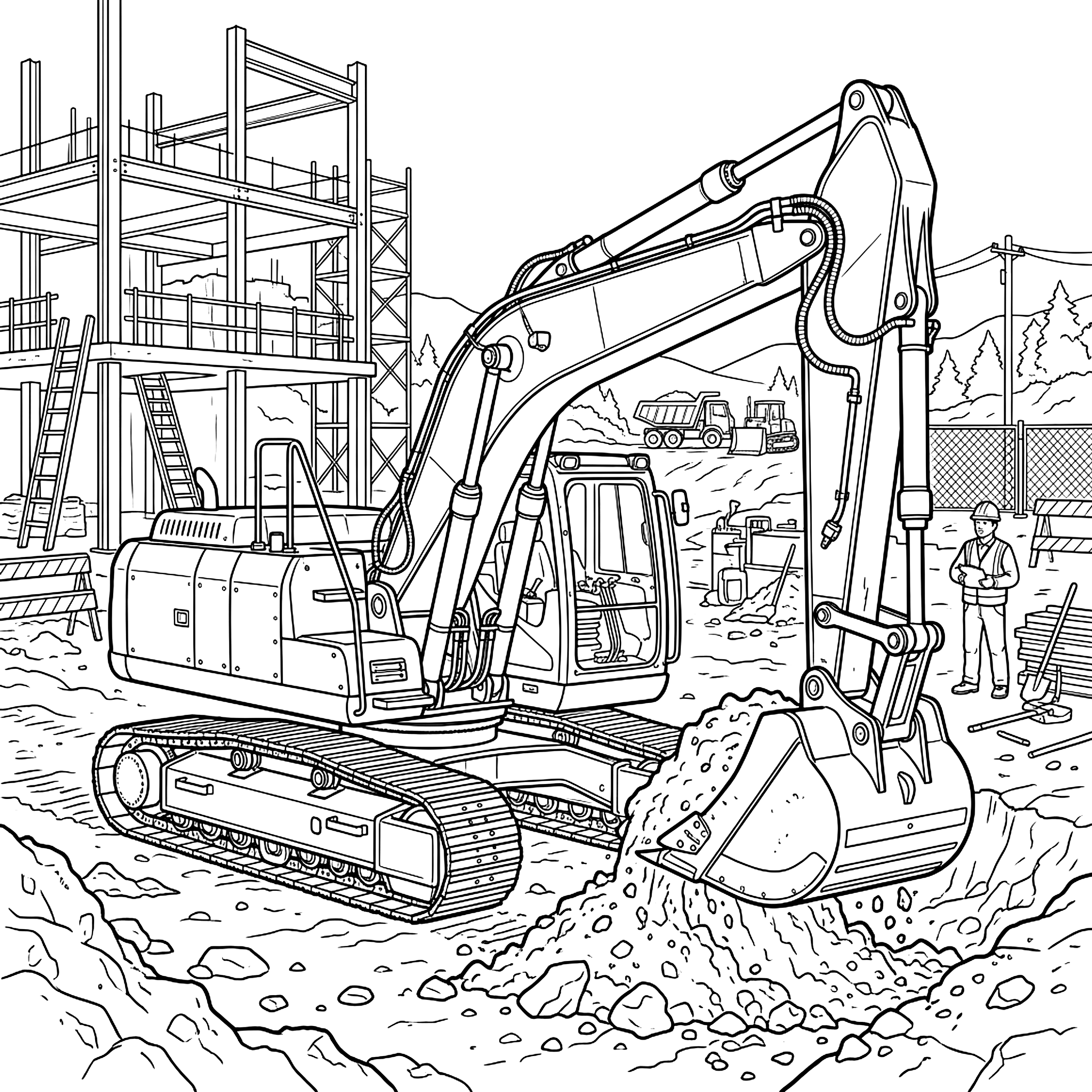
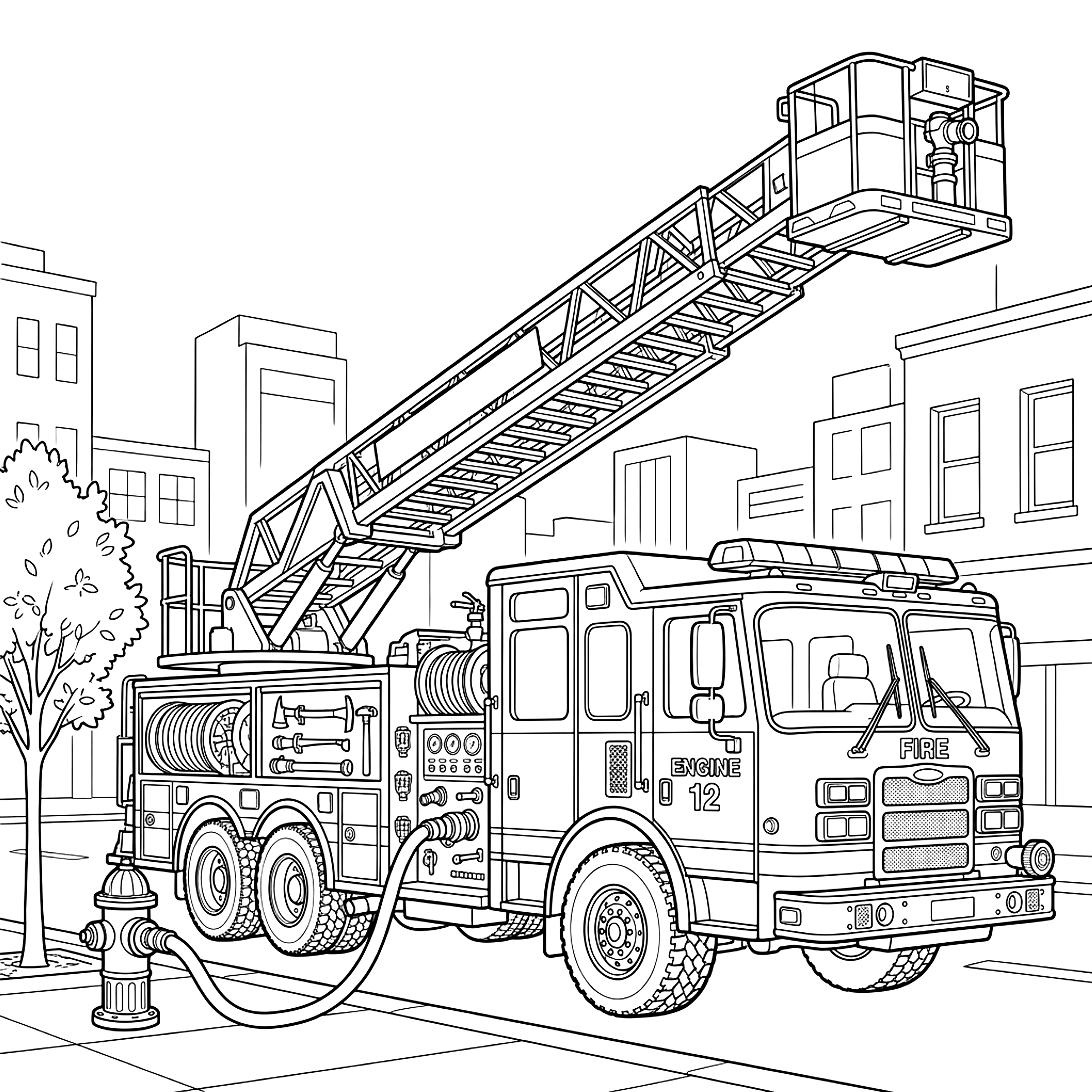
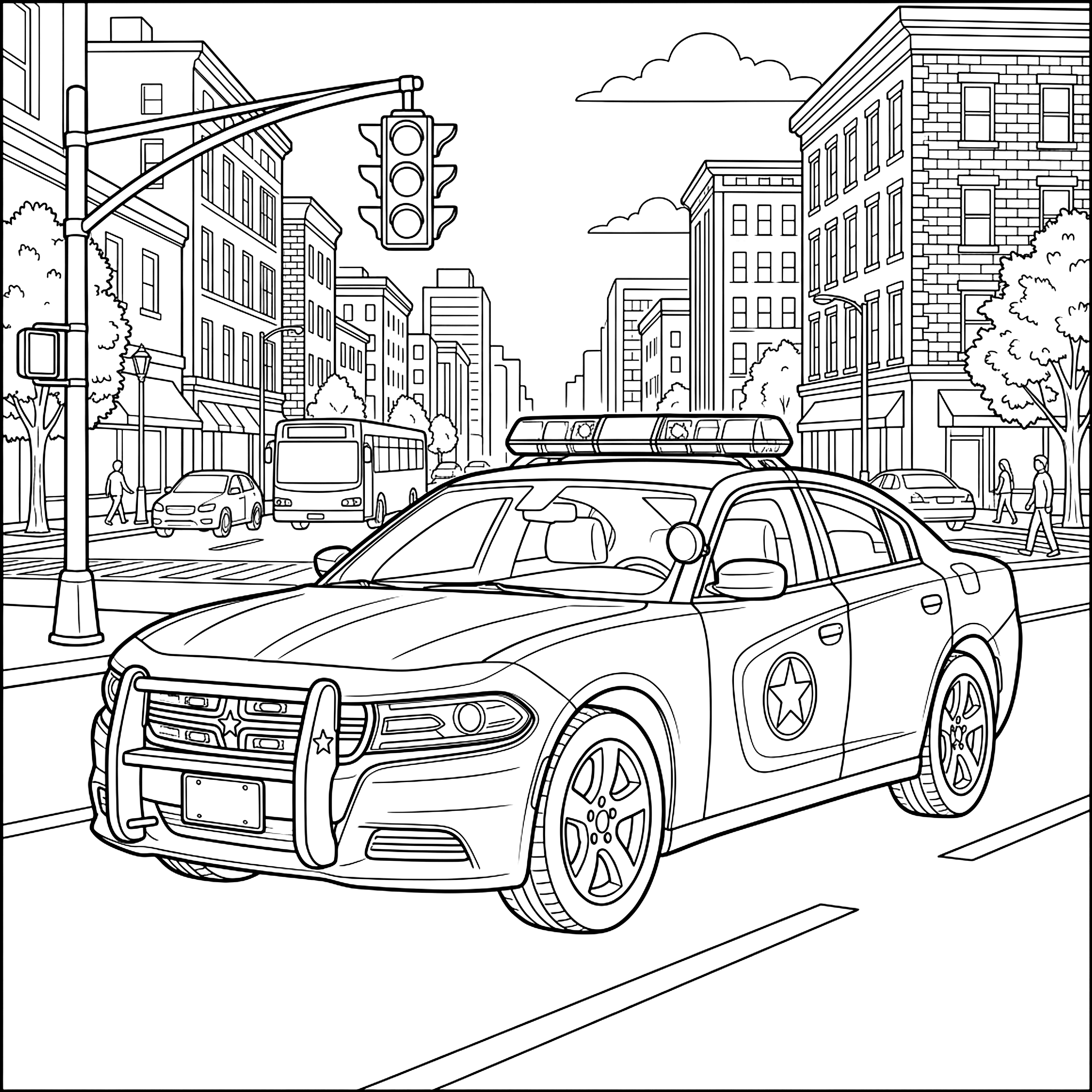
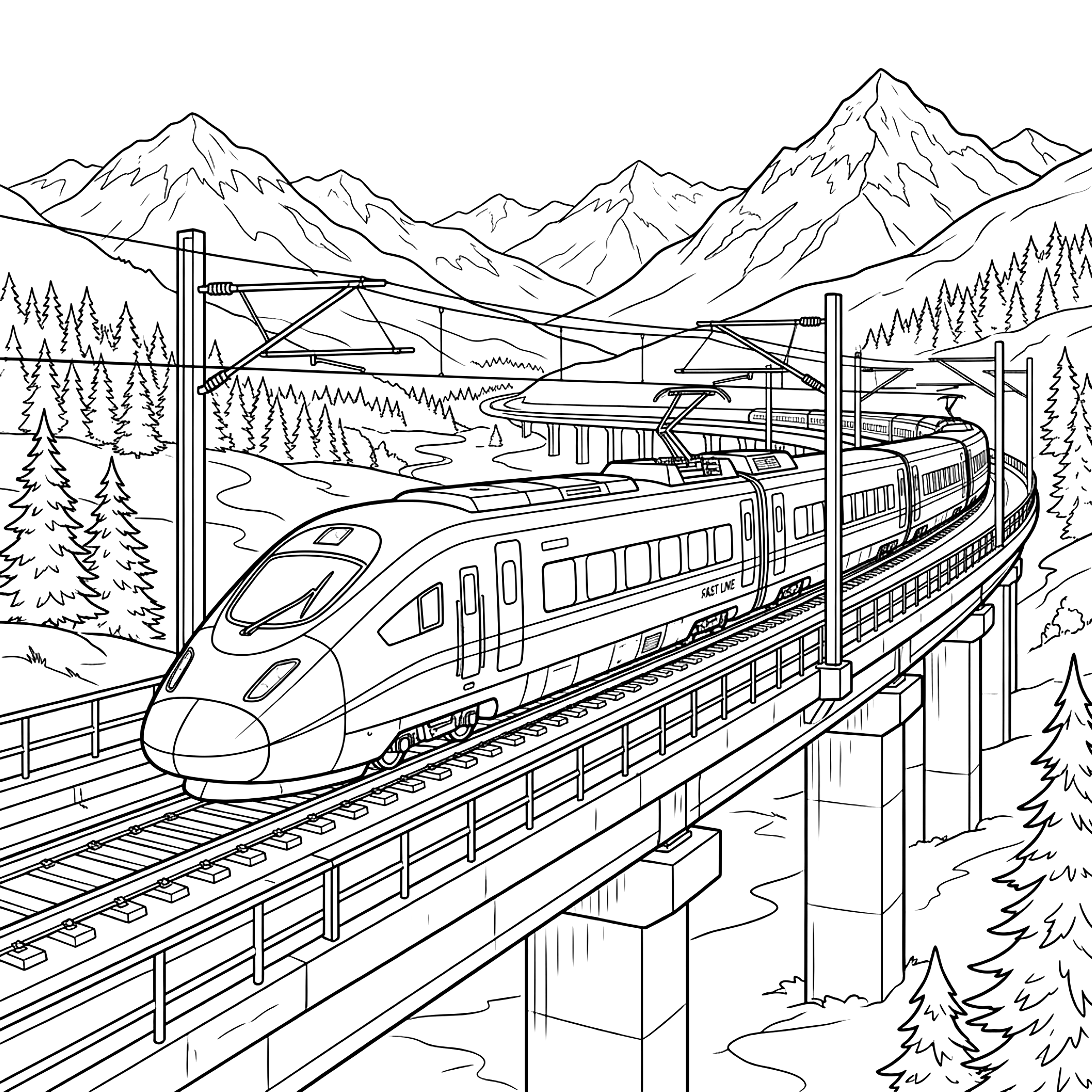
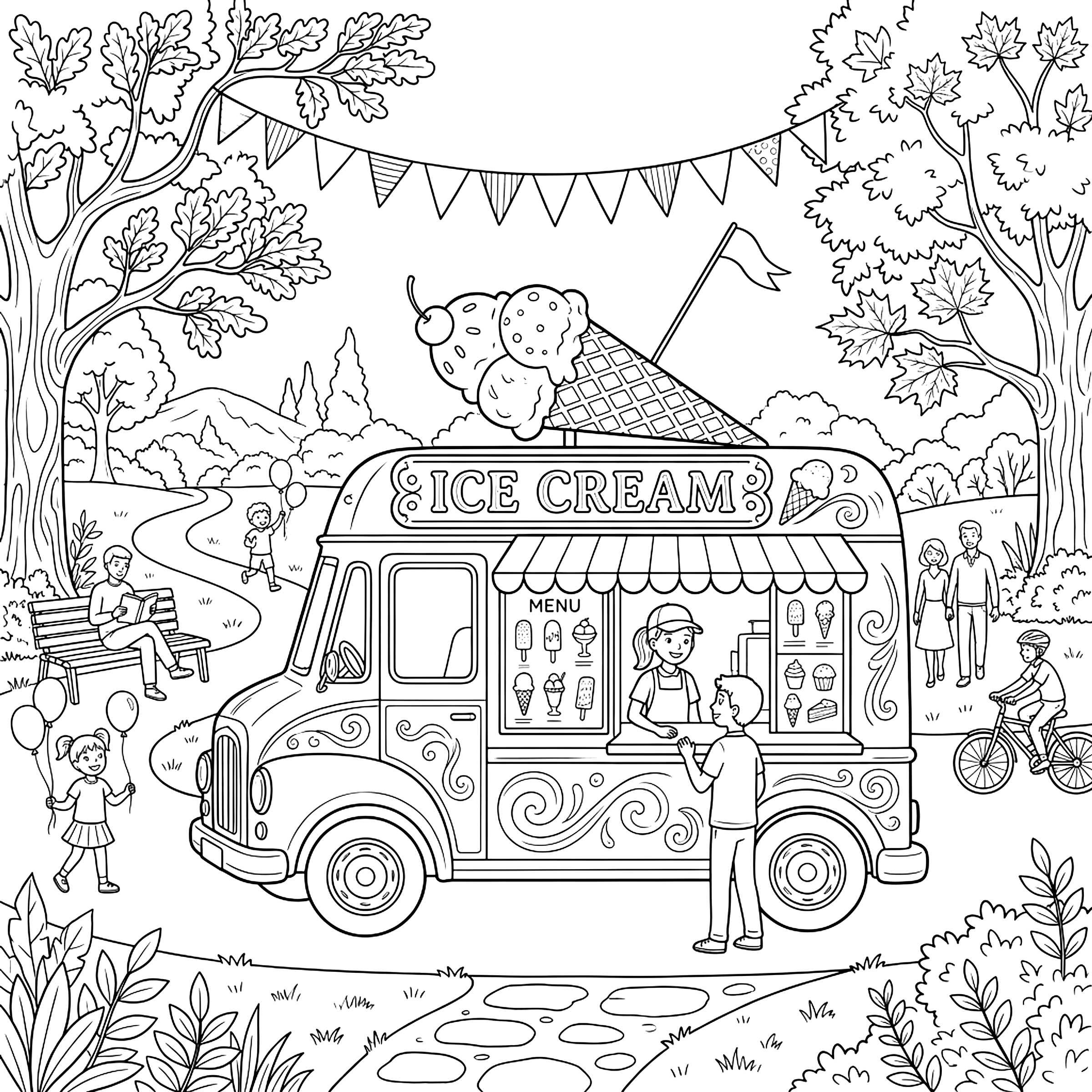
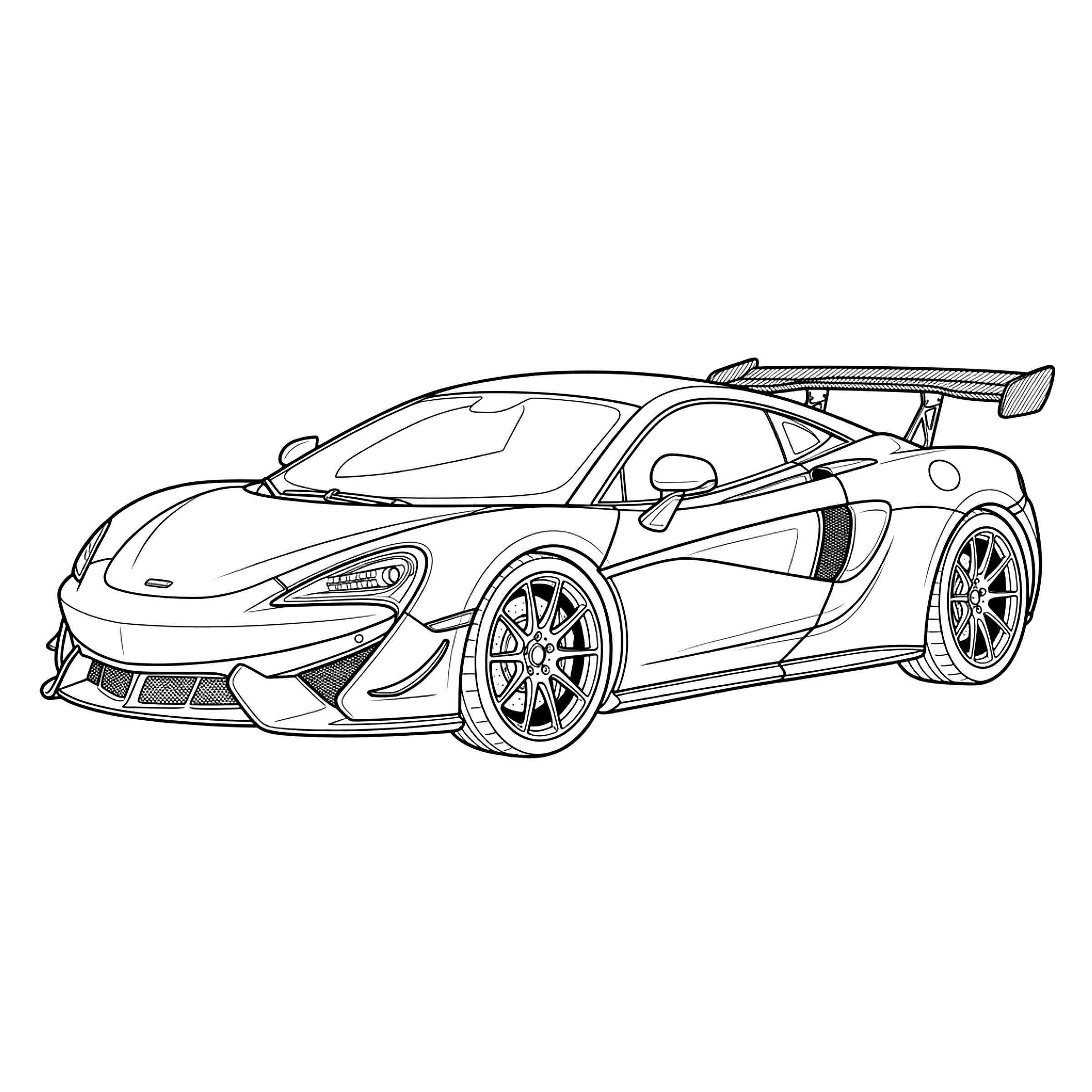
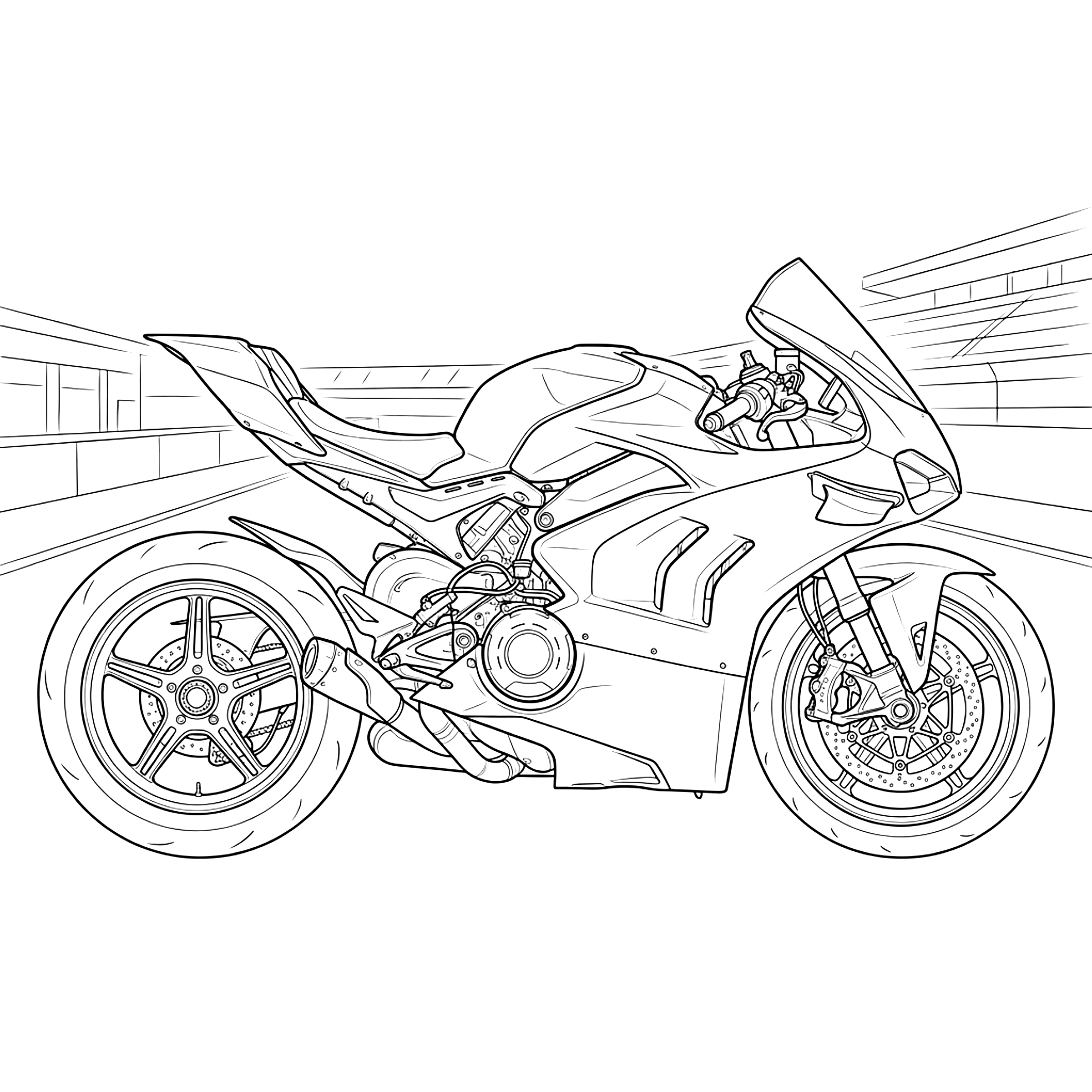
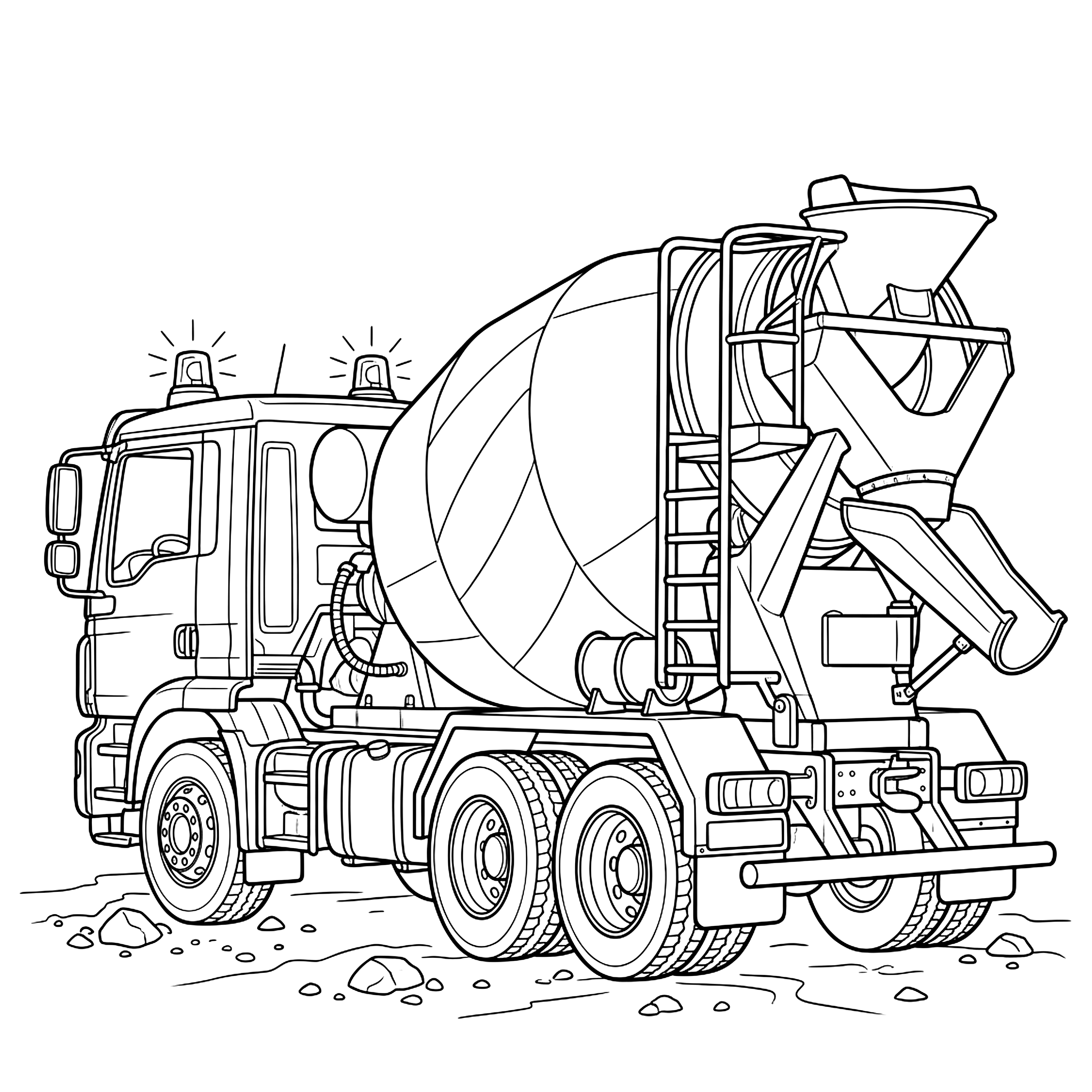
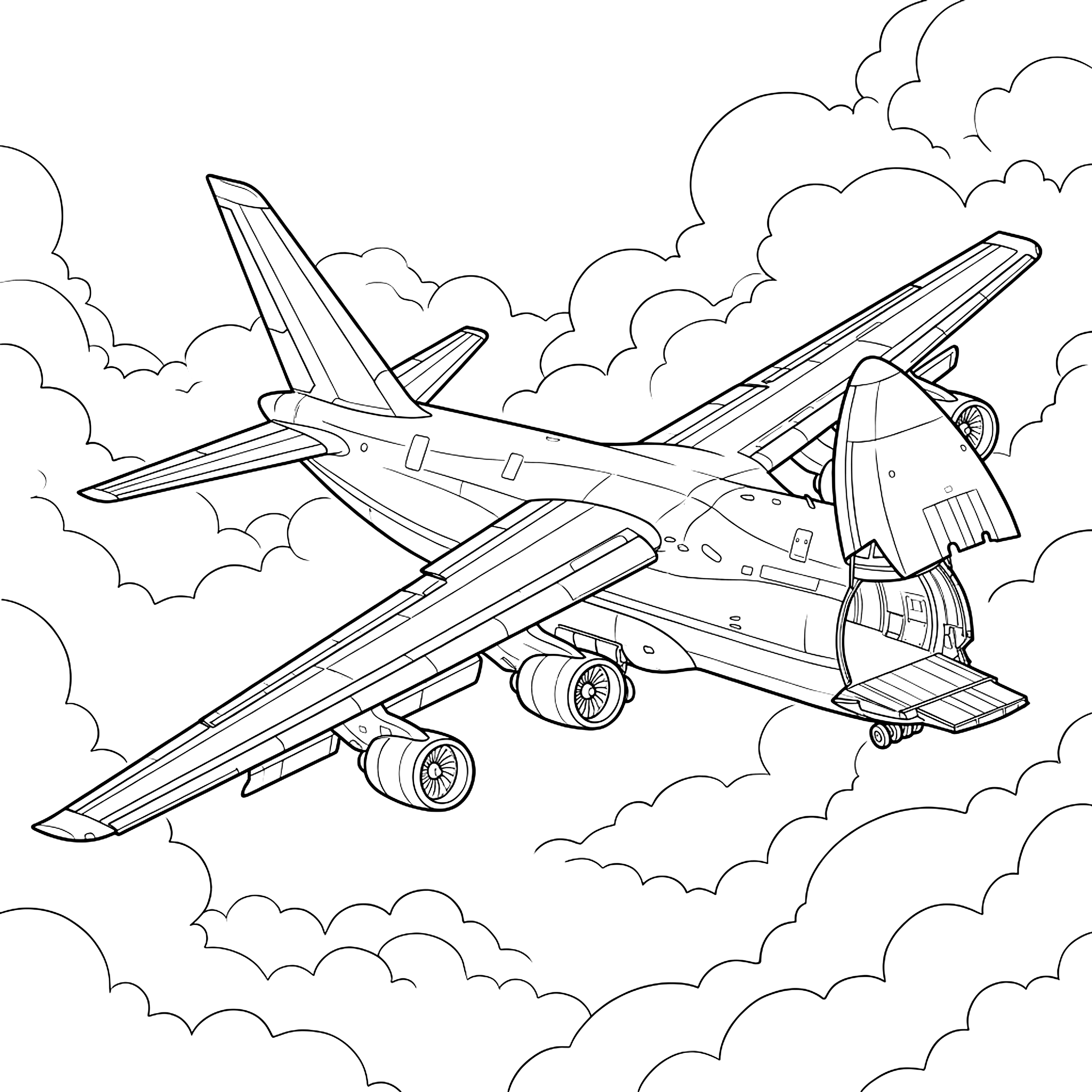
There are five for now: a sport motorbike on a mountain road, a sports car in a curve, a passenger airplane among the clouds, a delivery truck on the highway and a sailboat with a lighthouse and seagulls. All are generic designs inspired by how these machines look, without copying any commercial model or brand.
Why they hook kids who have outgrown little-kid pages
By twelve, many kids have a specific passion, whether motorcycles, planes or boats, and they want pages that respect it. These drawings include recognizable parts such as the engine, the brakes or the windows, so you can show how much you know about the subject while you color.
Giving color the feel of metal and speed
For metal, combine light and dark grays with a touch of blue and leave tiny gaps of white paper as reflections. For speed, soften the background with gentle horizontal strokes and save the strongest colors for the vehicle. Wheels look more real if you darken the tire and keep the rim lighter.
Palettes that work on machines
Vehicles take realistic palettes in reds, silvers and blacks just as well as bold combinations of neon and metallics. A nice idea is to design your own paint job: pick two colors and a third accent, then repeat them across the whole body. That way the vehicle looks like a custom build.
Supplies worth reaching for
Sharp colored pencils handle the mechanical details, and markers look great on big body panels. A ruler helps you go over straight lines, and a white pencil or gel pen adds glints on headlights and glass. Soft backgrounds come from gently rubbing the pencil marks with a bit of paper.
How to print the pages
The PDFs are prepared for Letter and A4 with safe margins. Print at one hundred percent and use medium or heavy paper, especially if you will combine pencil and marker. The thin lines of engines and cables print best in normal or high quality, so skip draft mode.
A way to understand how machines work
Coloring a vehicle makes you look closely at its parts, and that raises questions: why airplane wings have that shape, how a motorbike brakes, or what each sail on a boat is for. While you color, write down three questions and look them up later in a book or online with an adult. That turns the page from a pastime into a doorway to engineering and physics. Keep a pencil and a ruler close, too, because straight edges on wings and bumpers look sharper when you trace them lightly before coloring.