Animal Coloring Pages
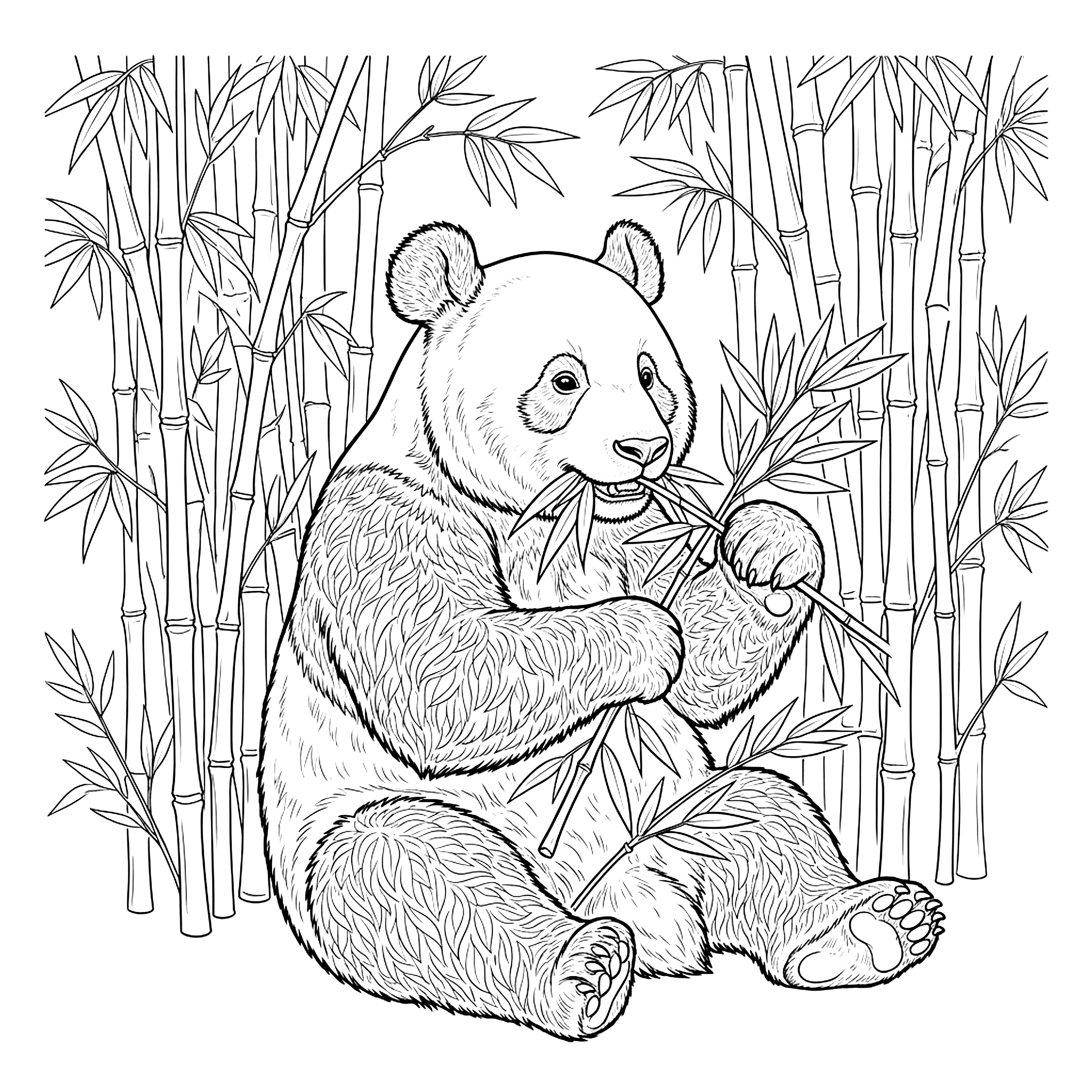
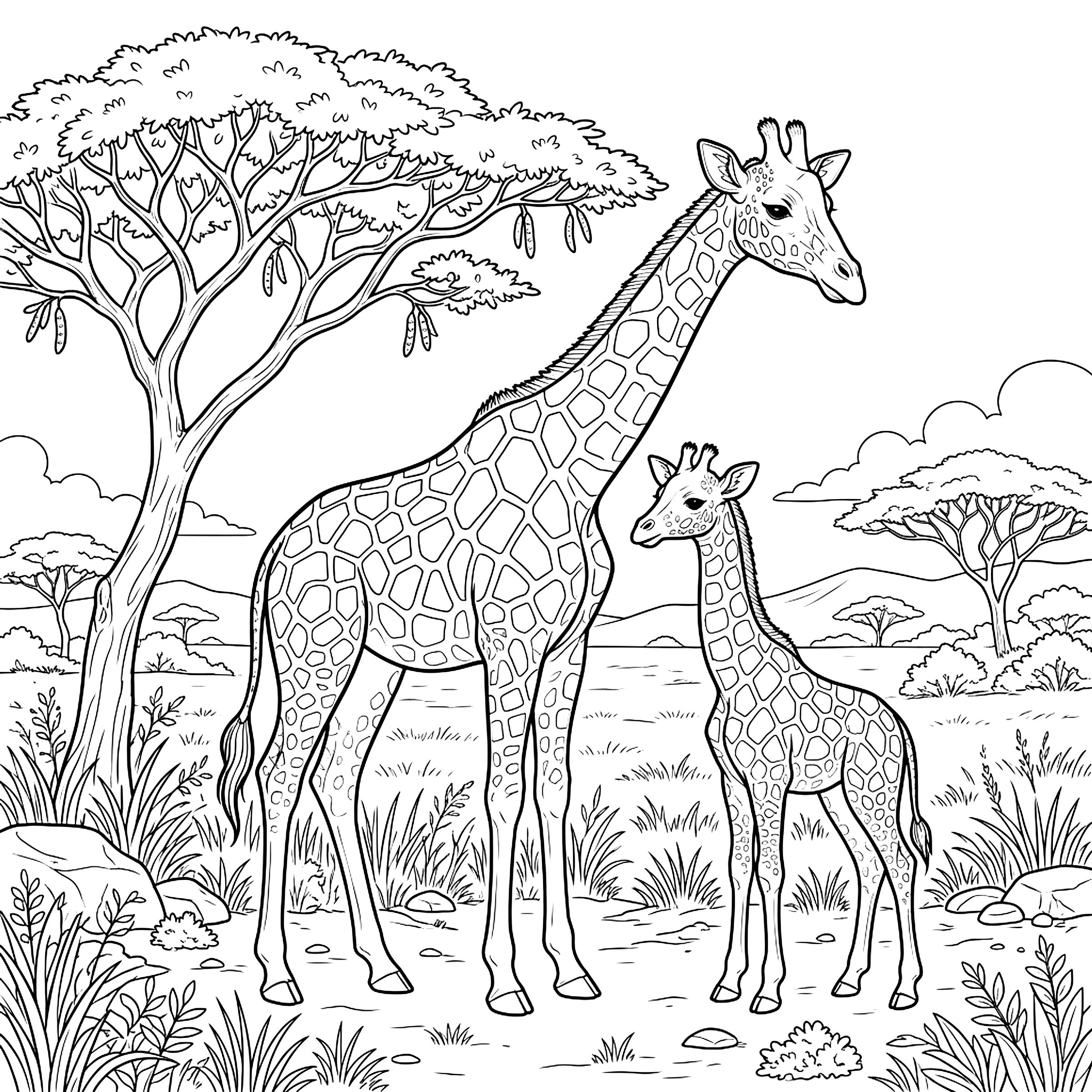
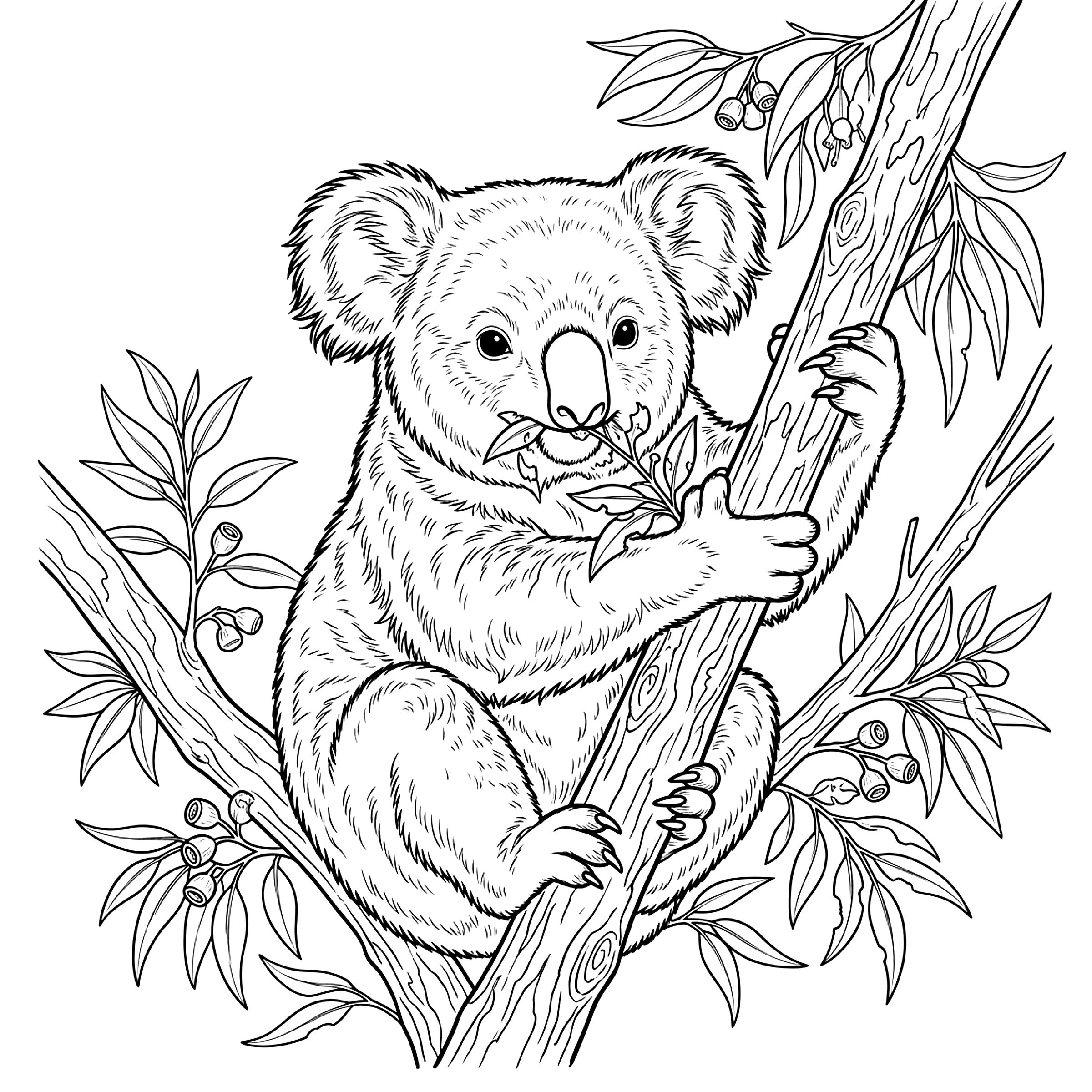
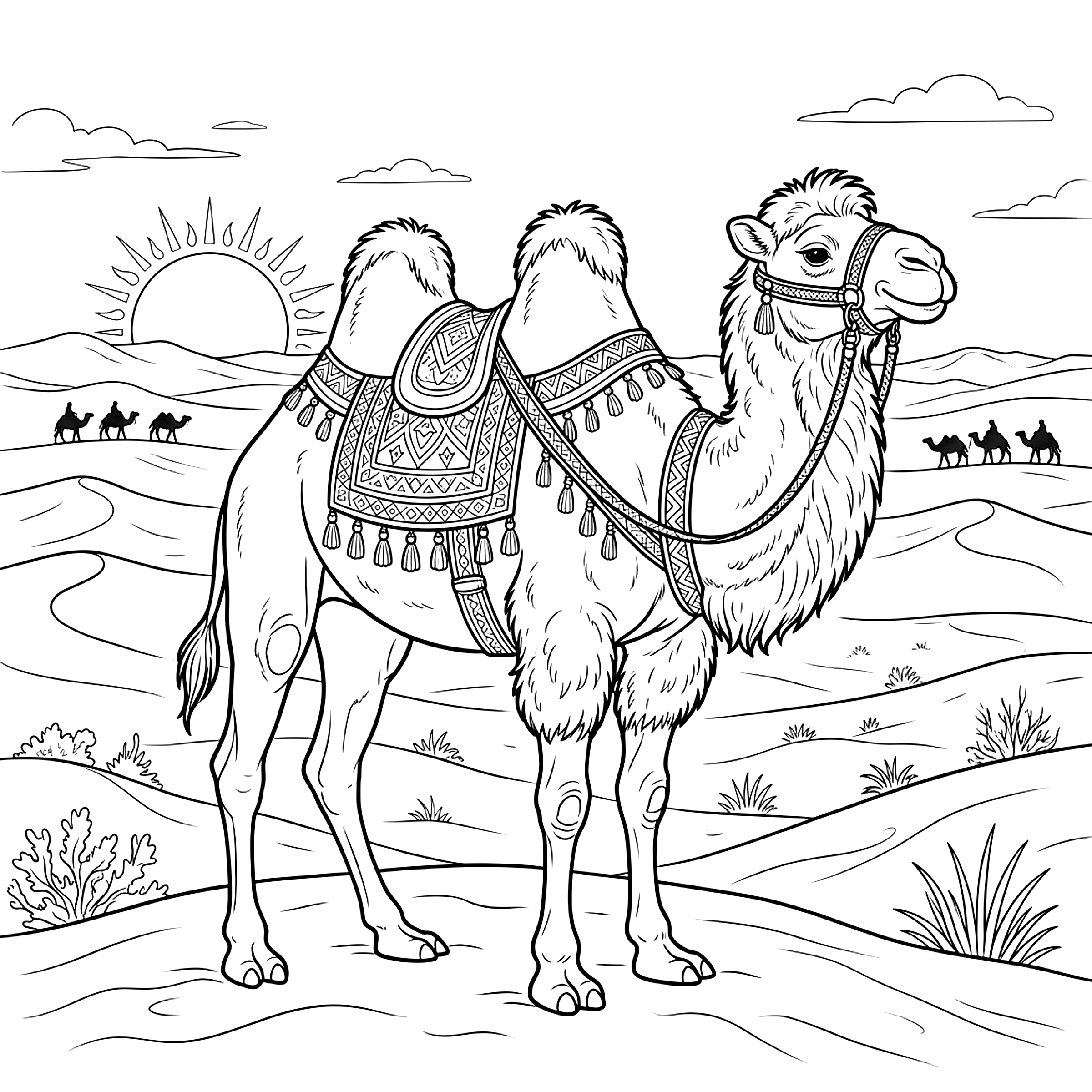
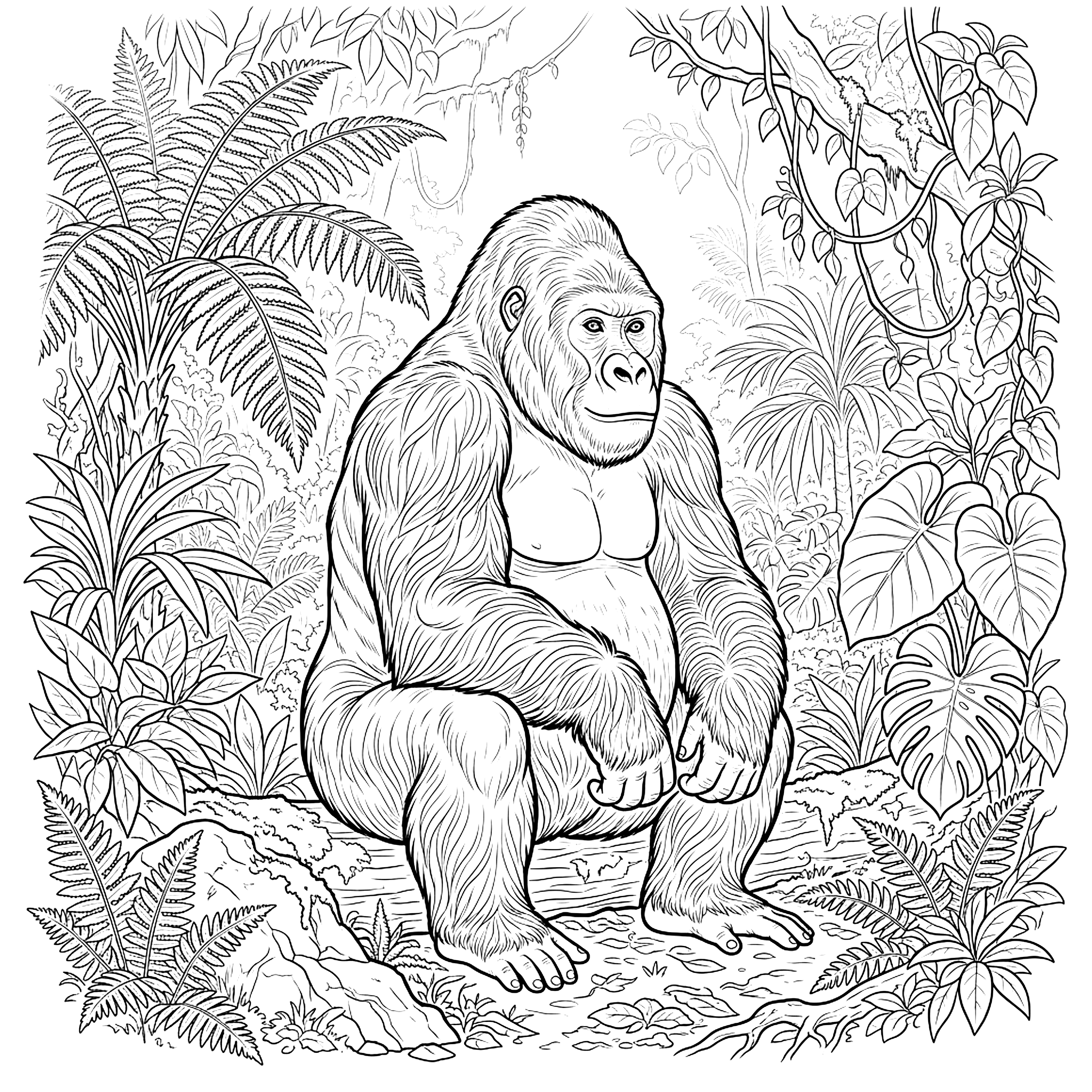
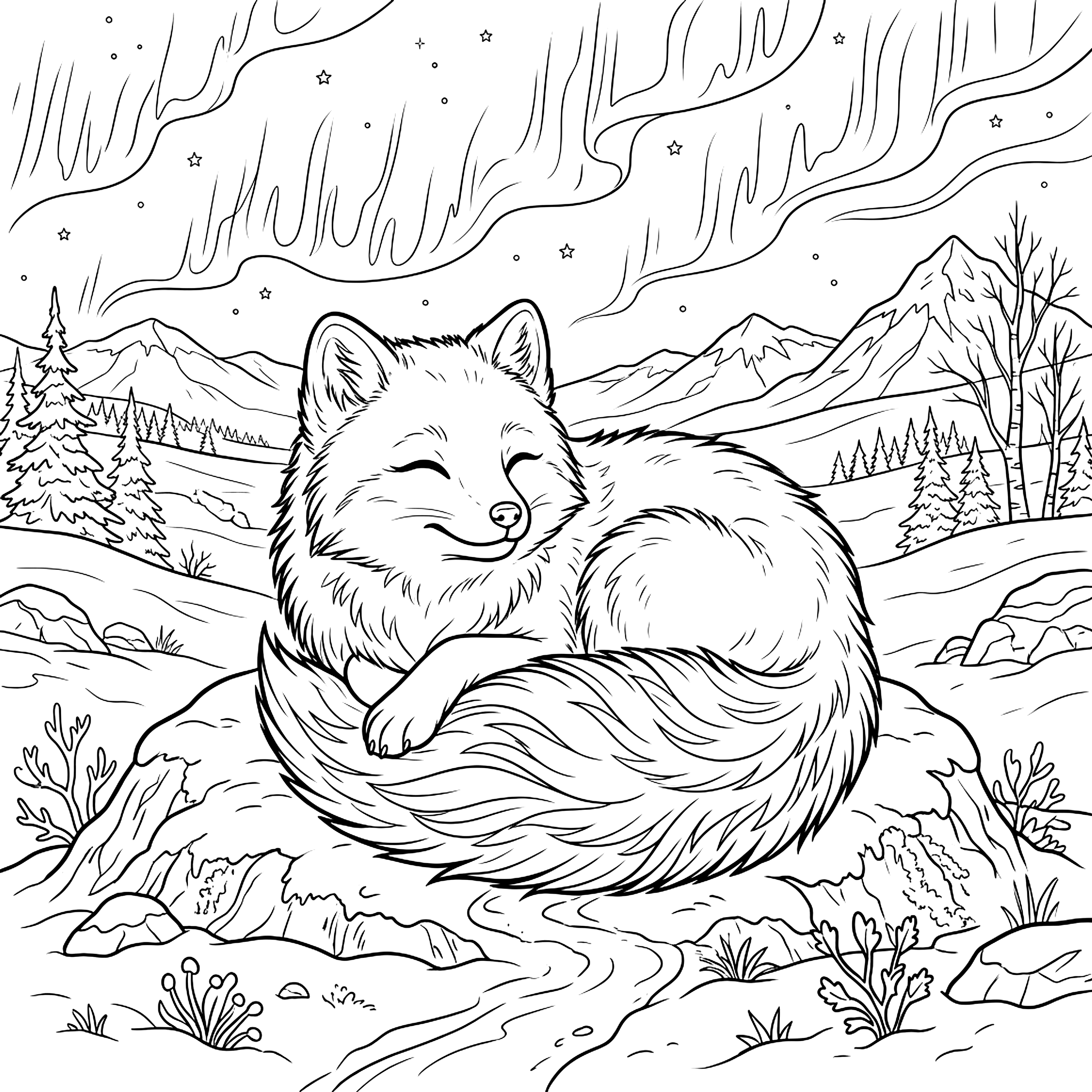
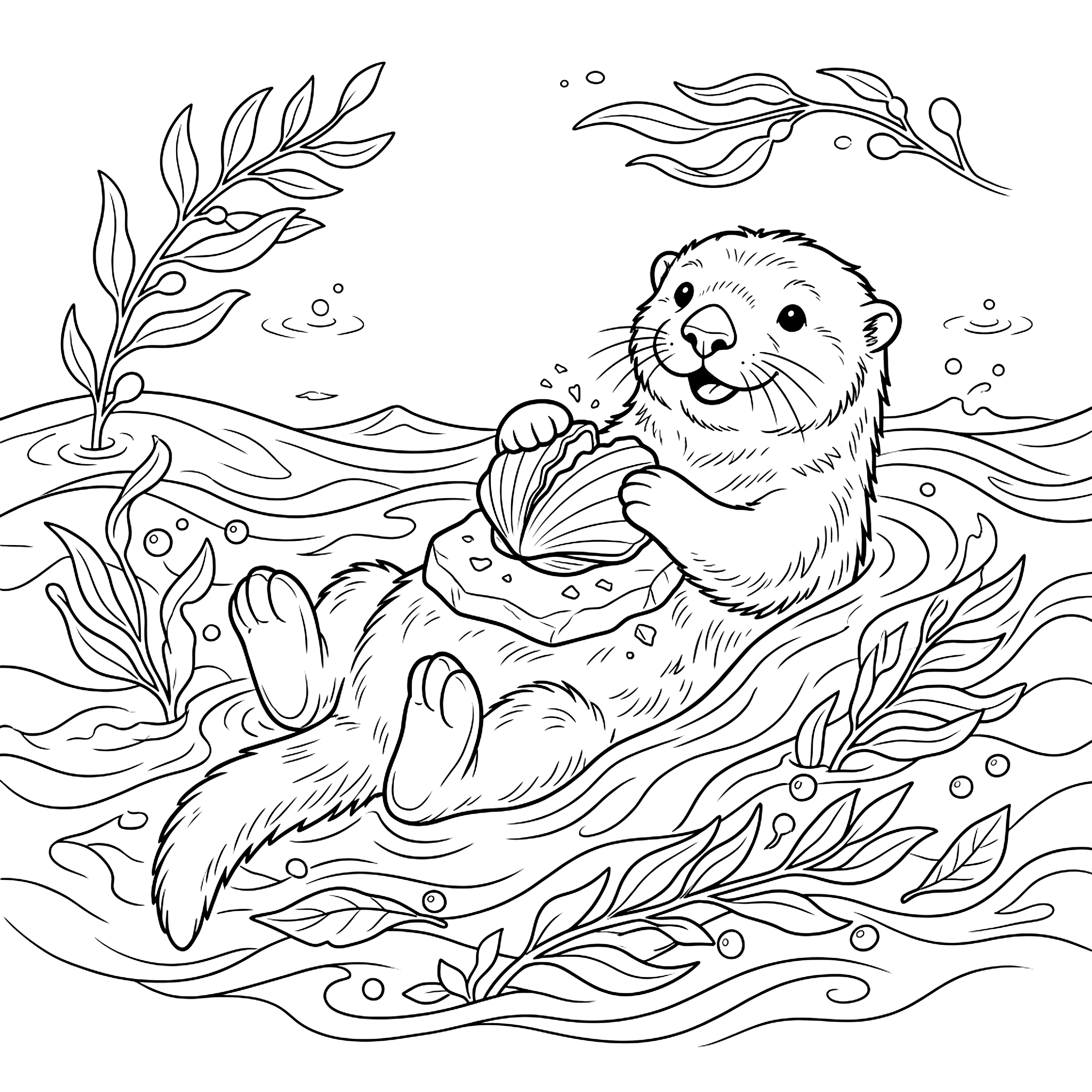
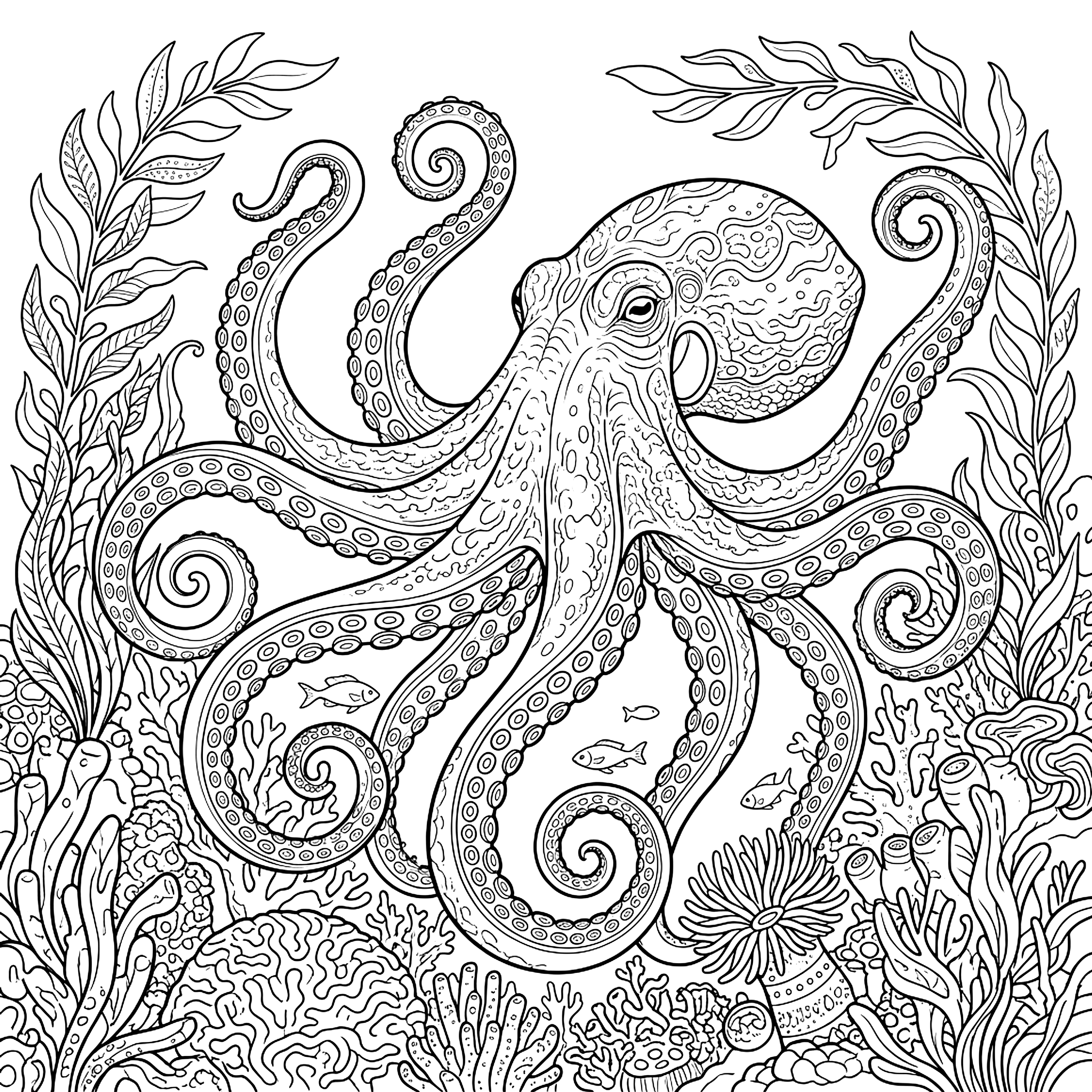
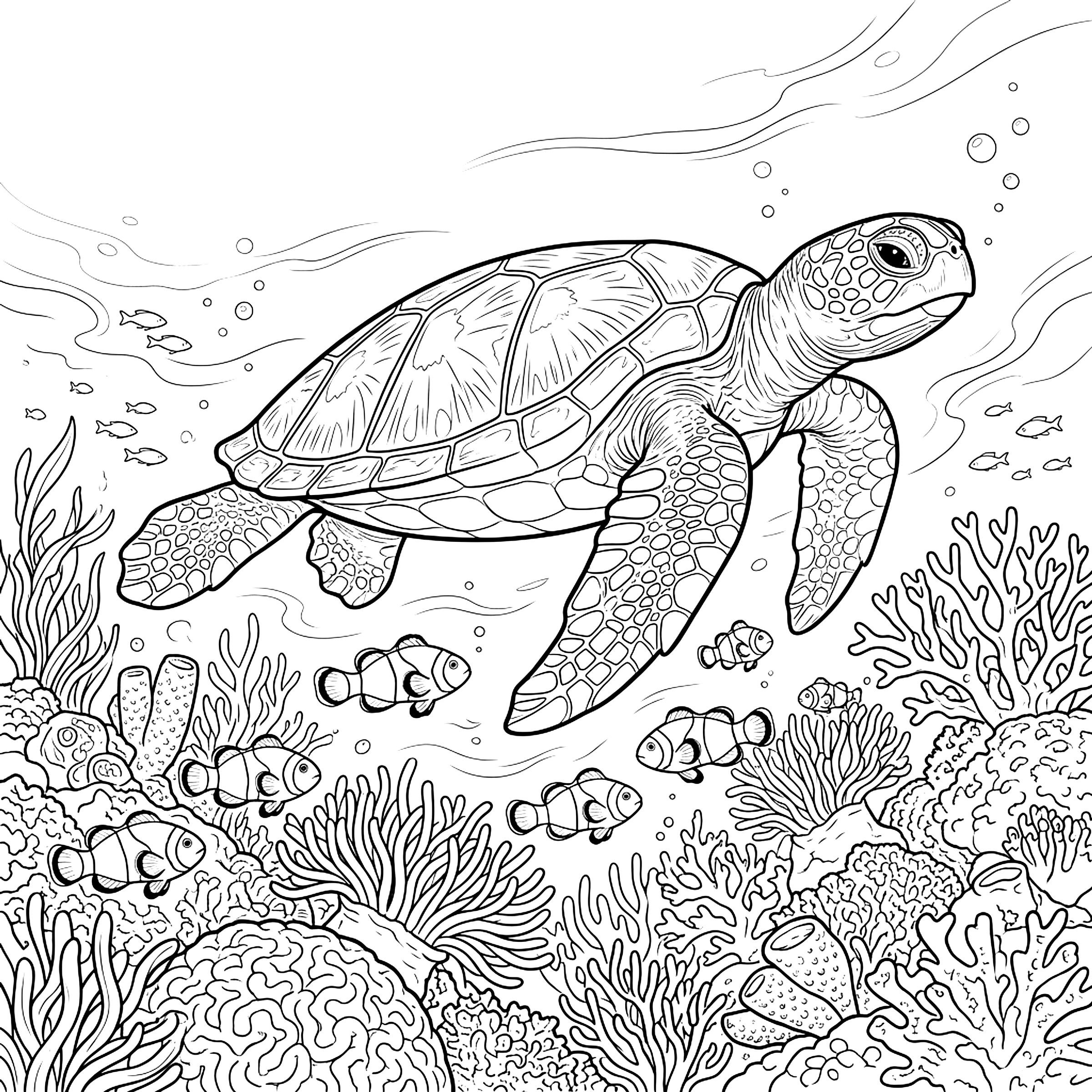
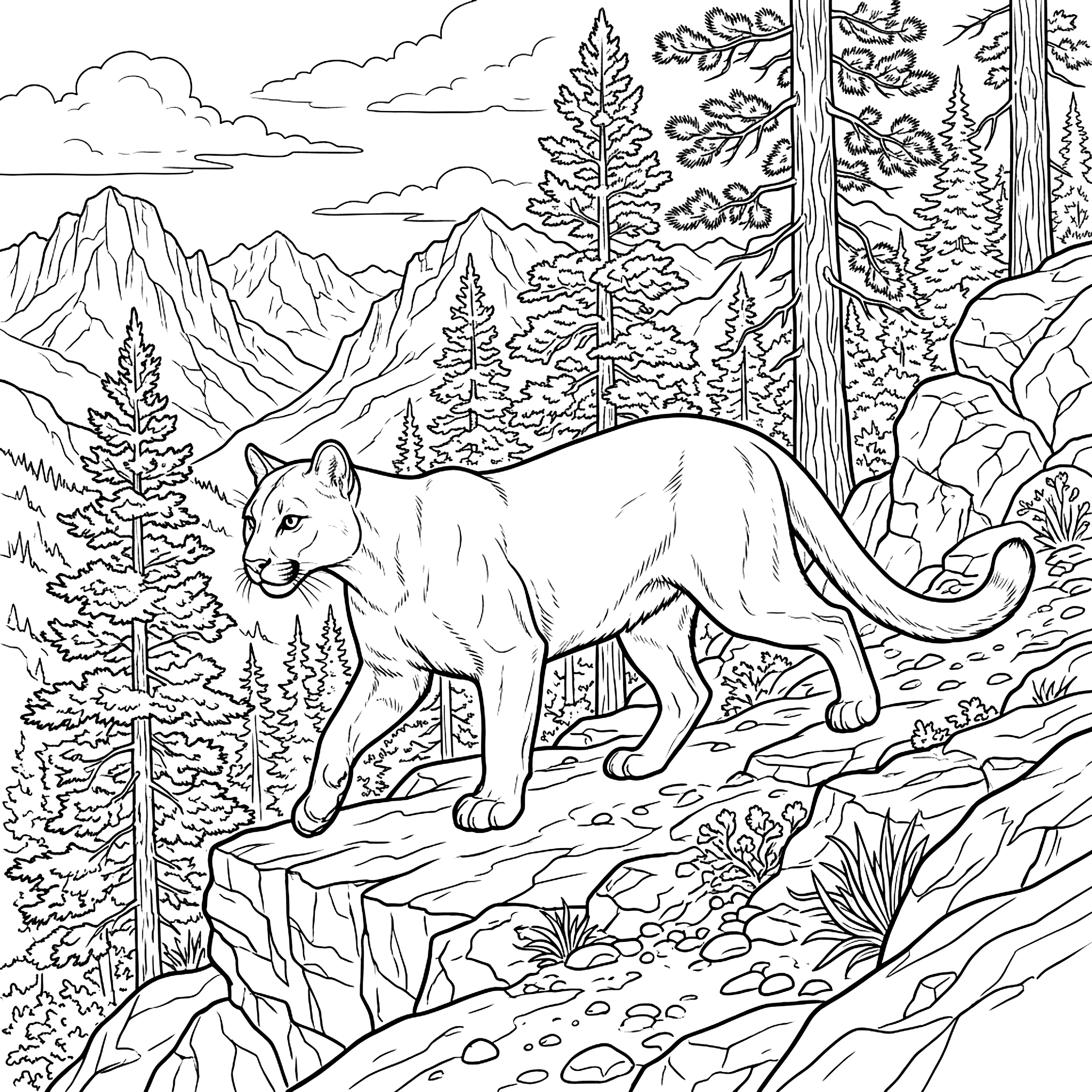
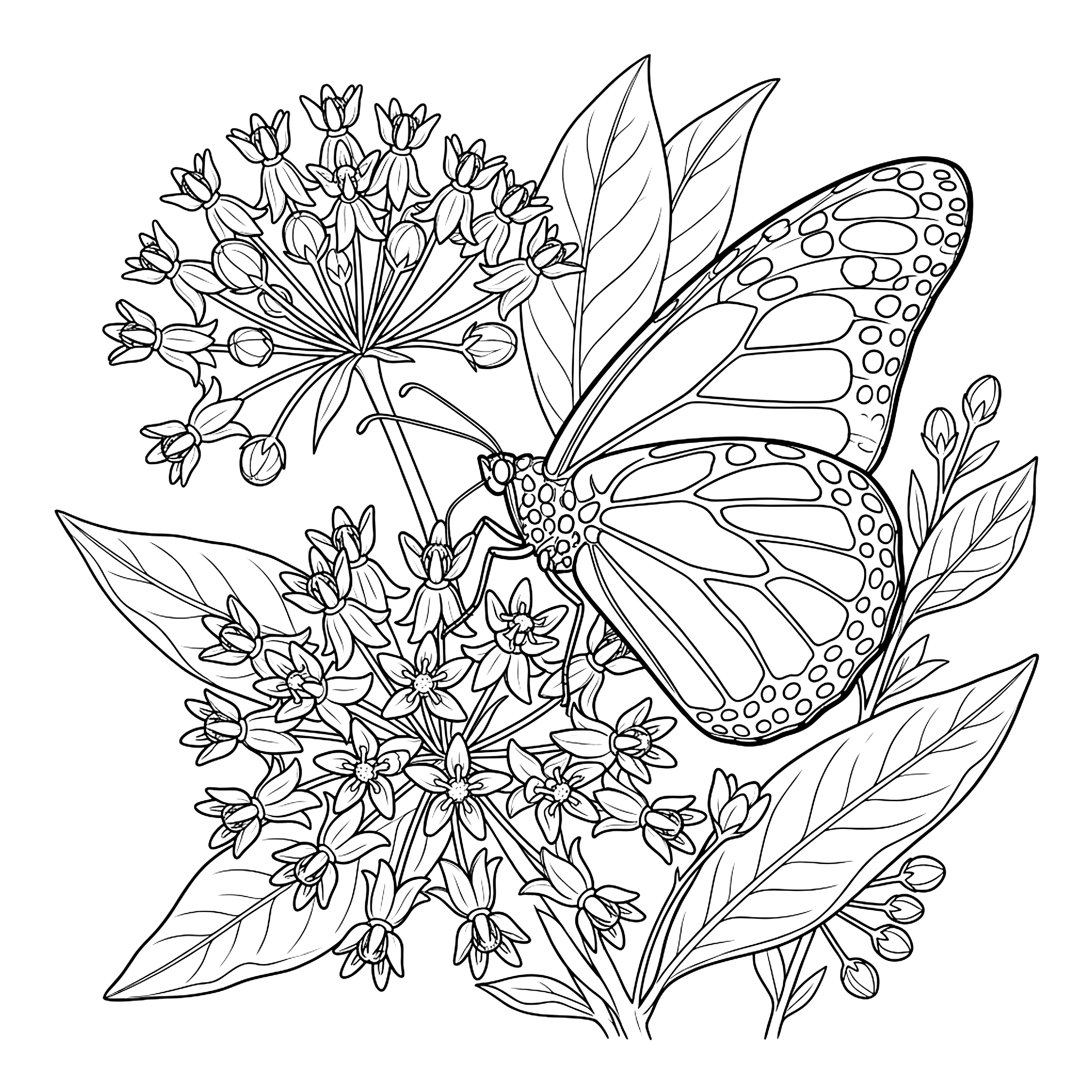
These animals are drawn with far more realism than the round-eyed cartoons found on pages for little kids. You get textured fur, layered feathers, expressive eyes and backgrounds that tell a small story. They are made for tweens and teens who like studying how a real animal looks before deciding what colors to use. Every page is a free PDF that prints on Letter or A4 paper.
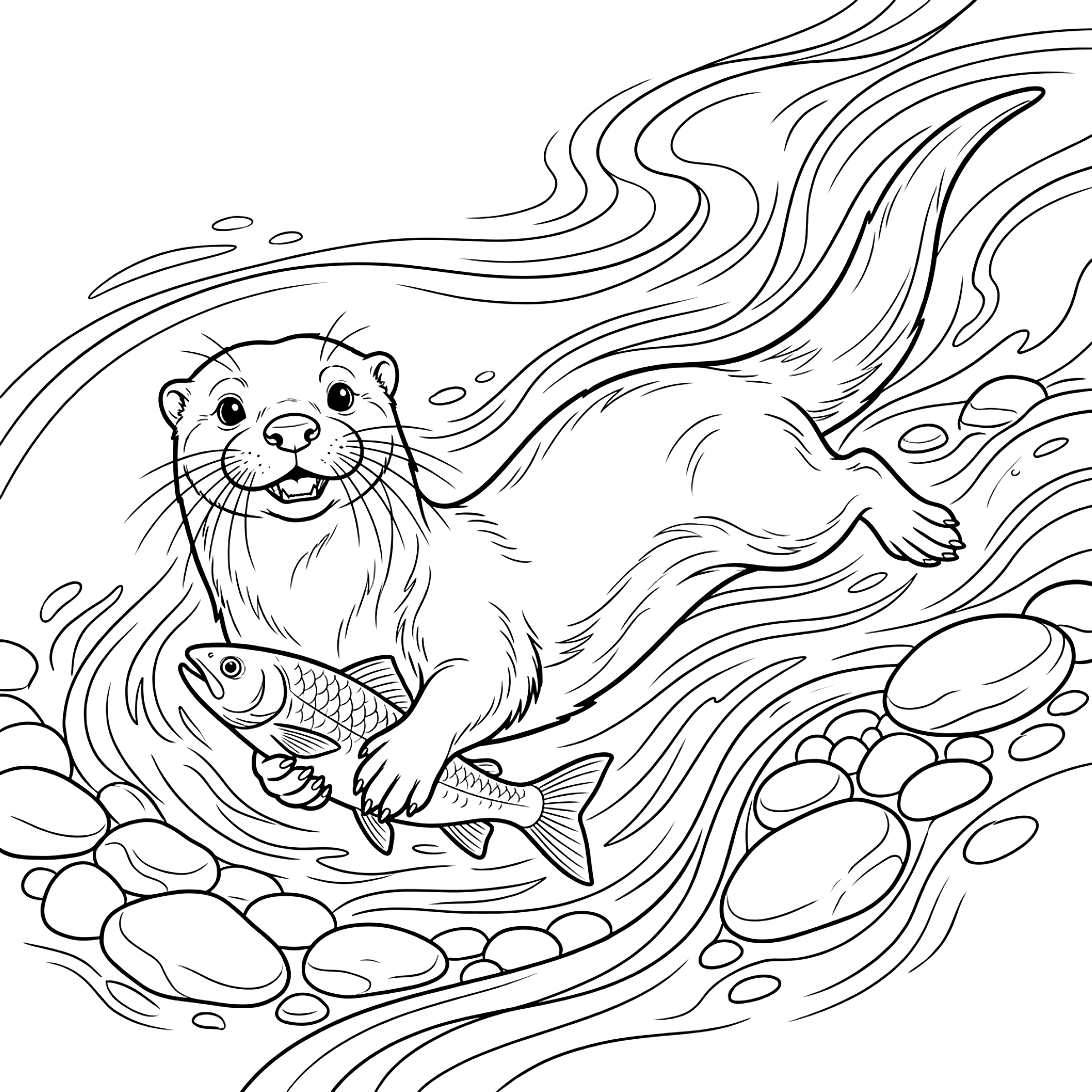
Which animals are in the collection
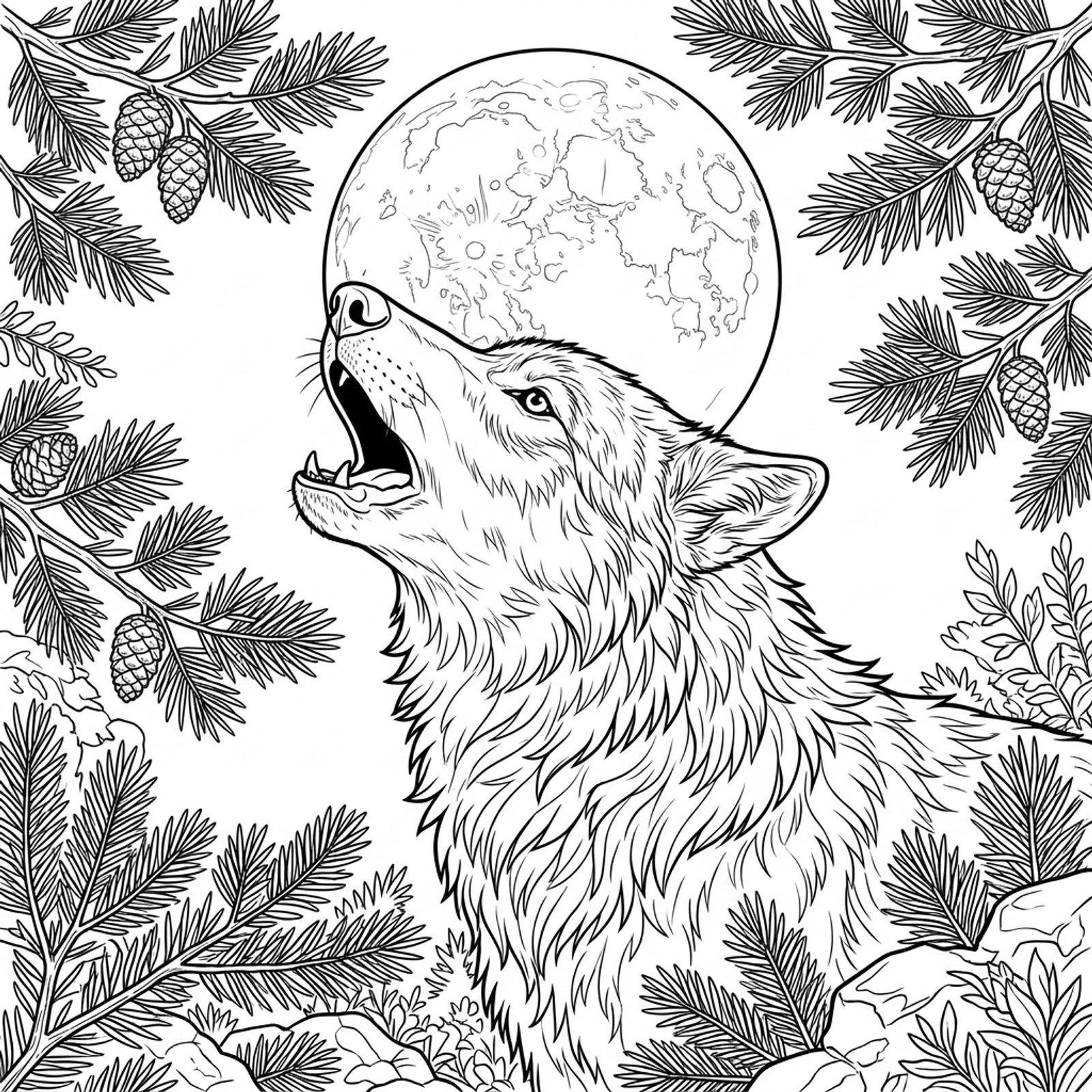
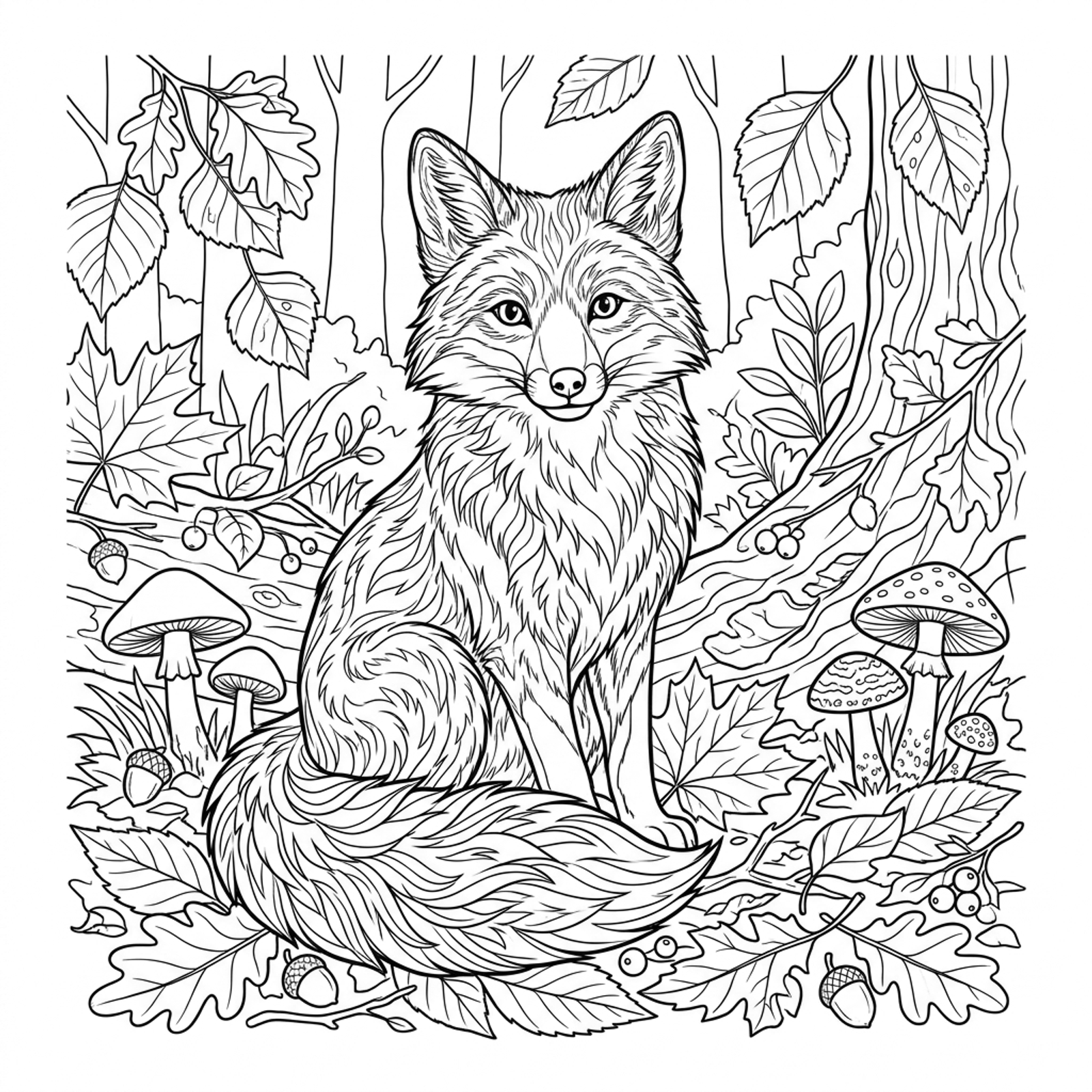
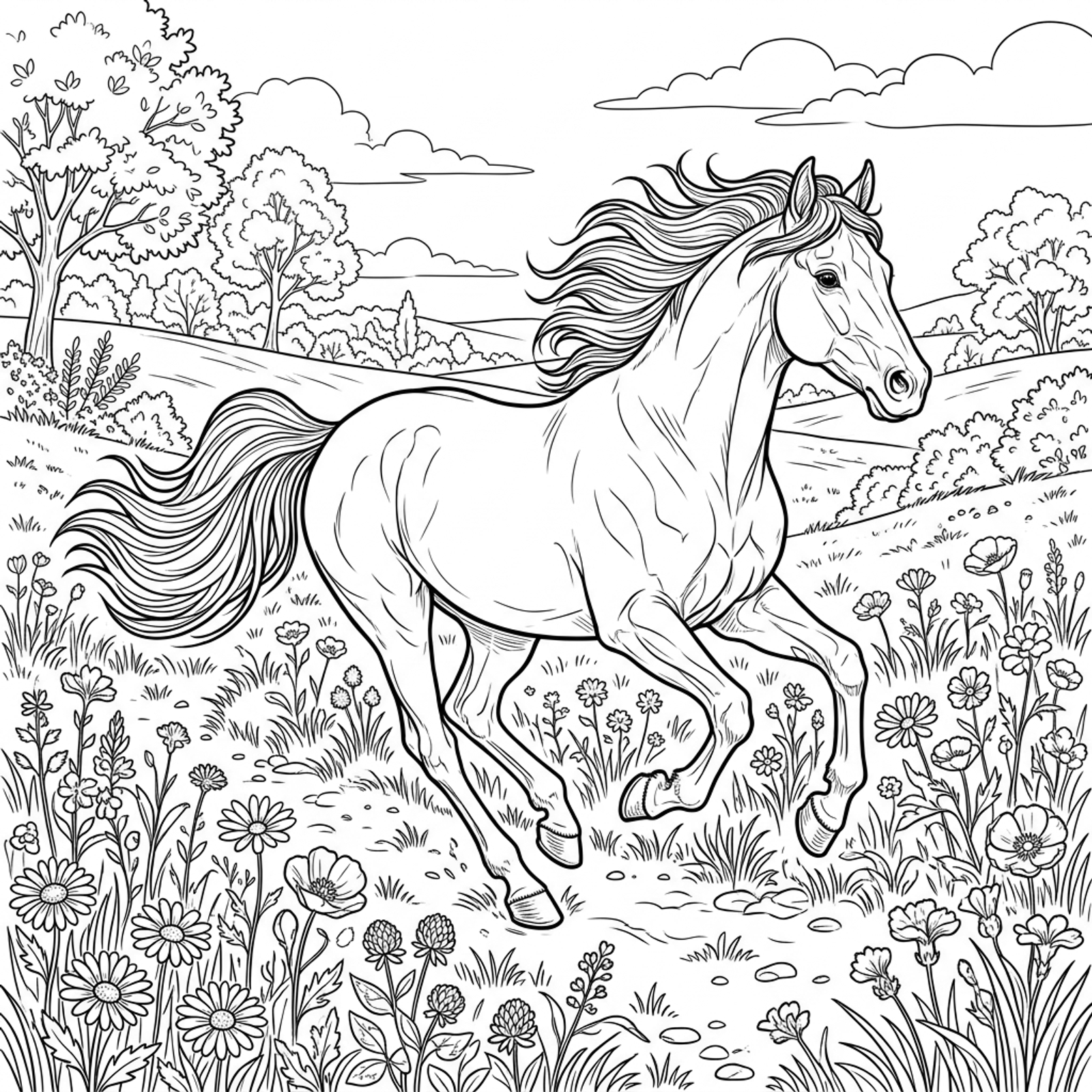
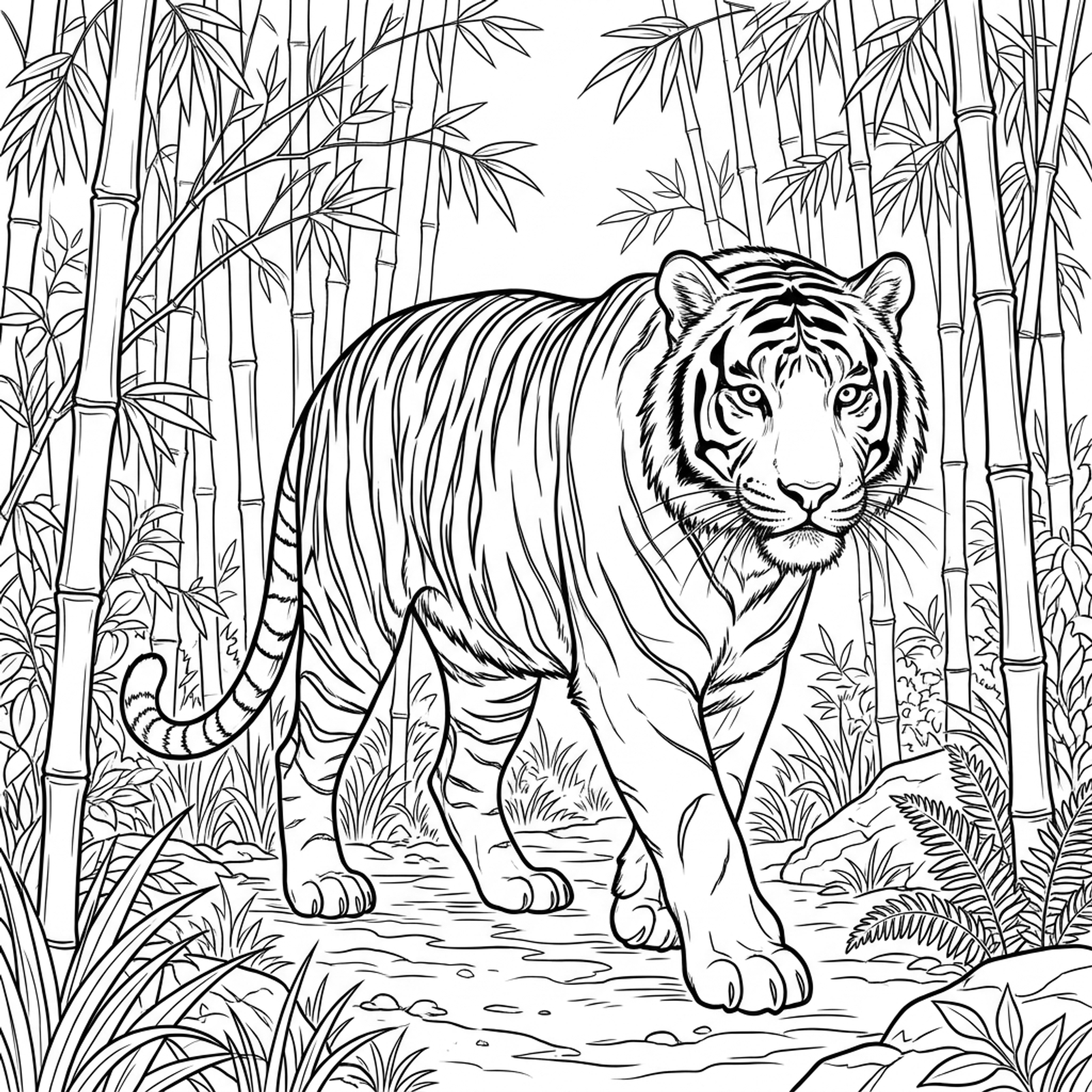
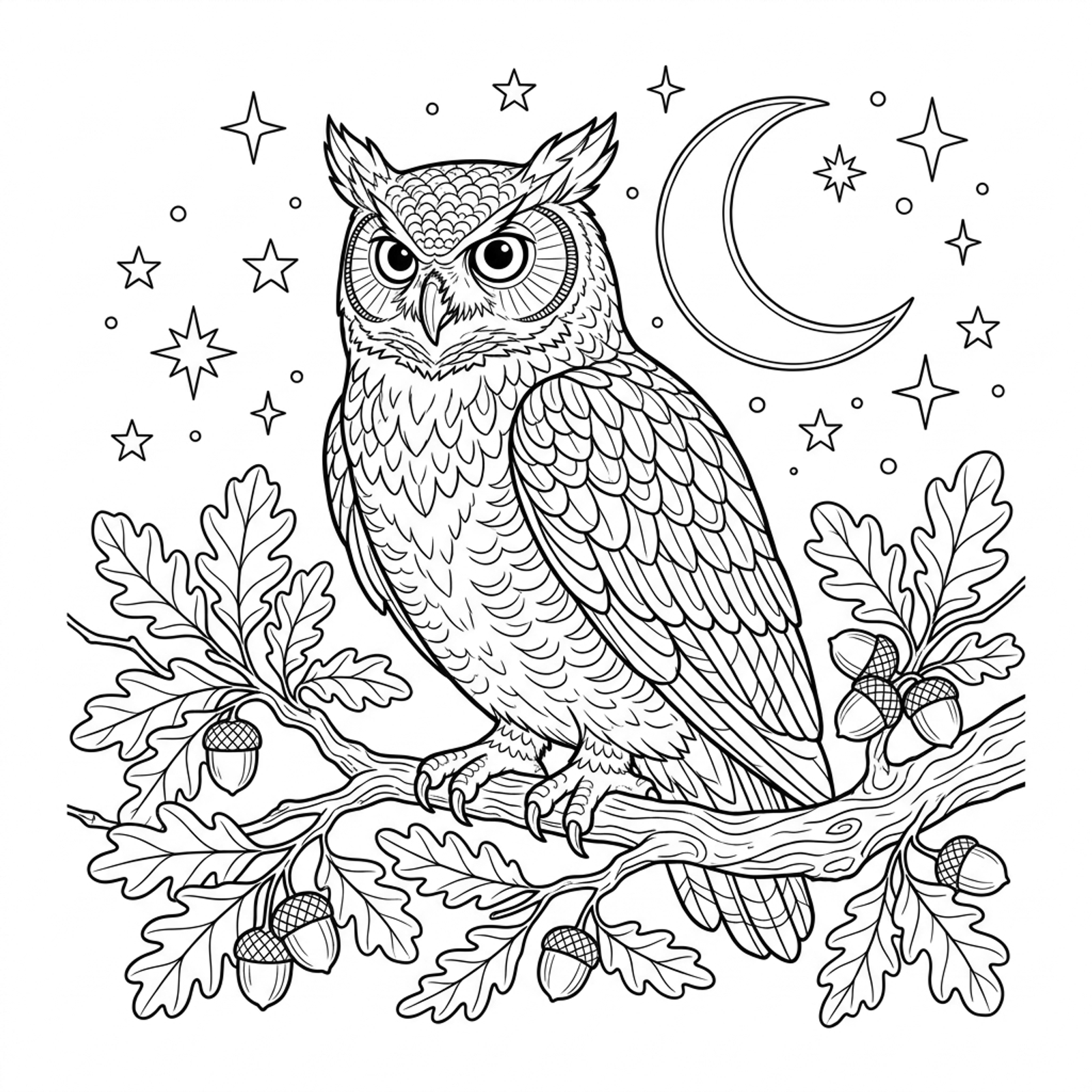
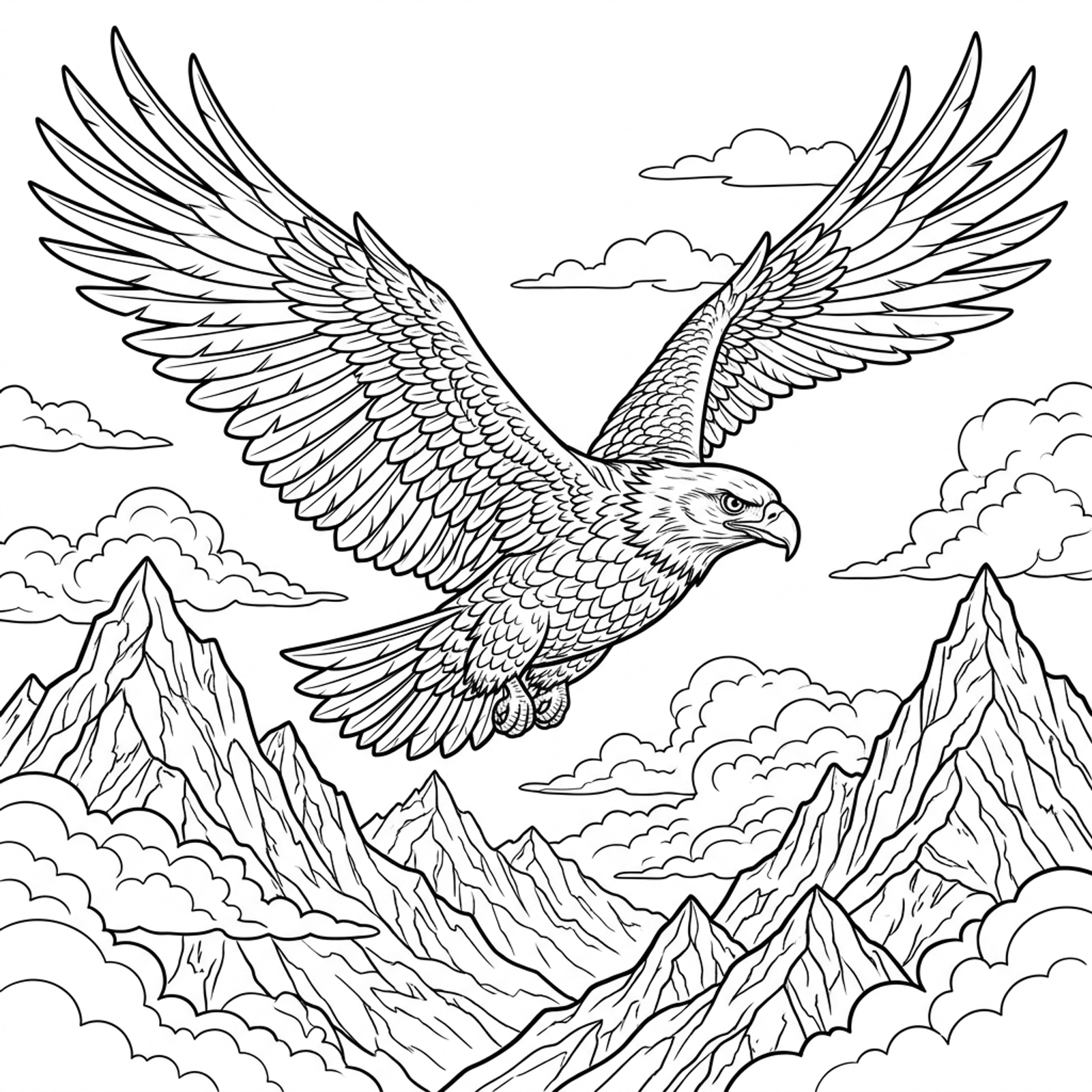
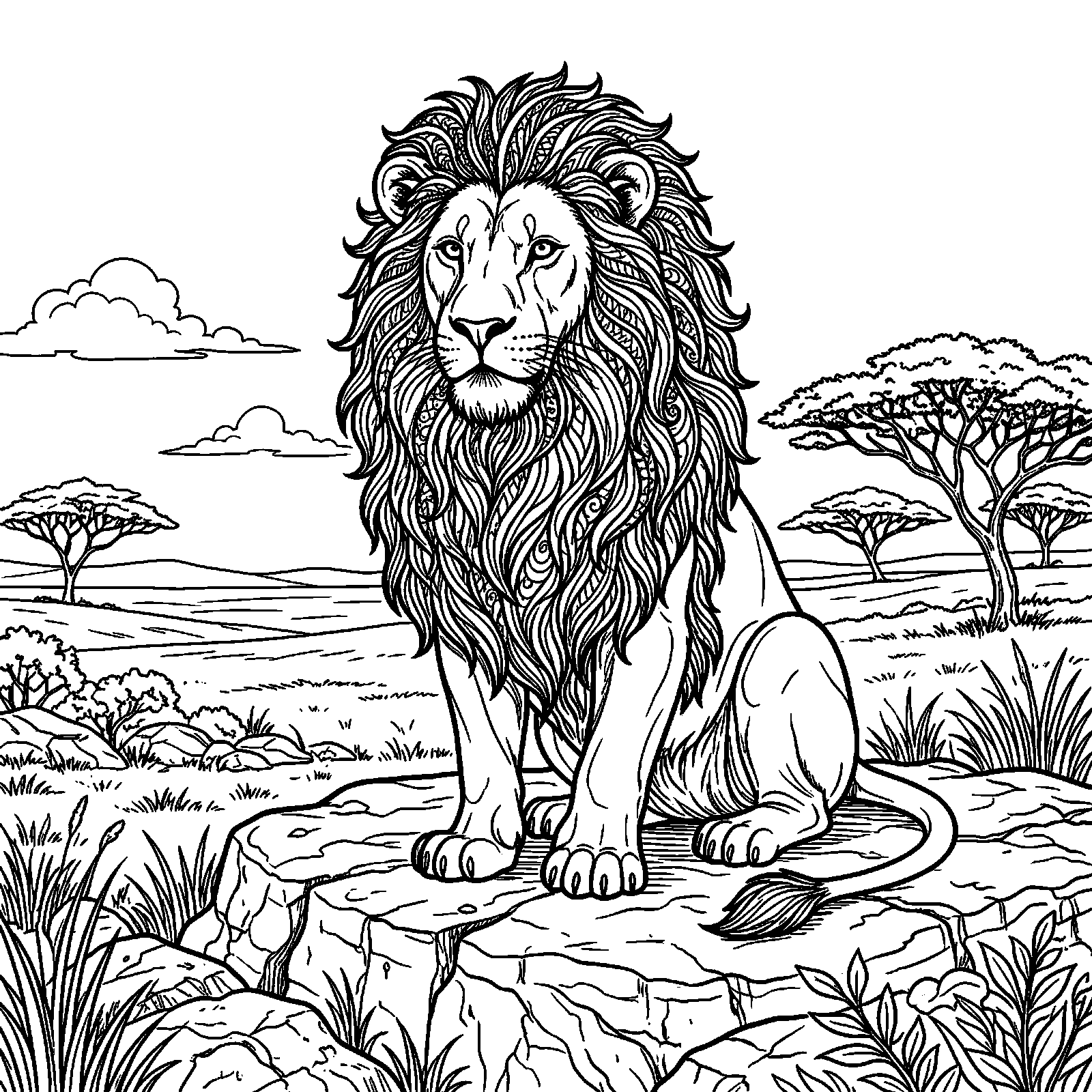
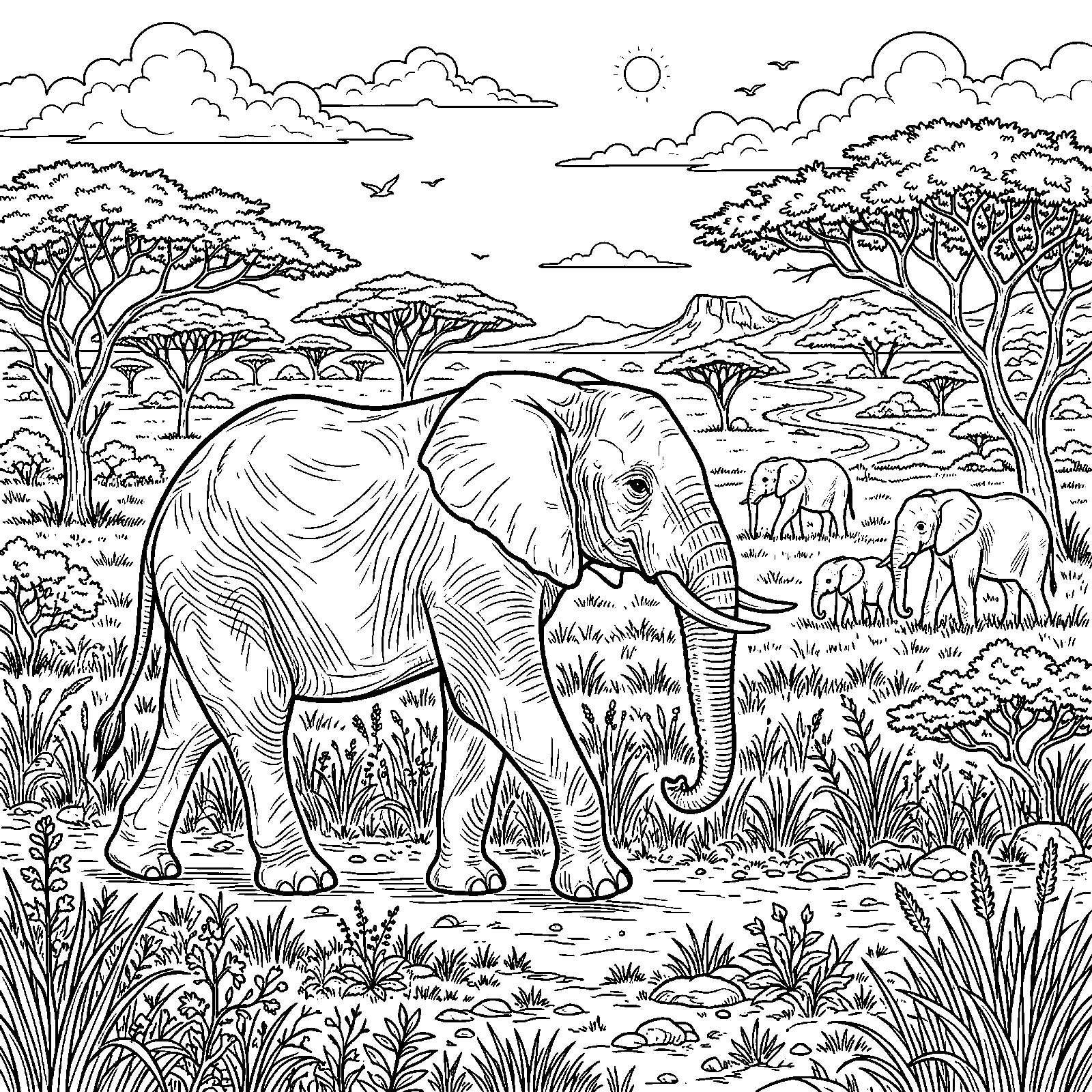
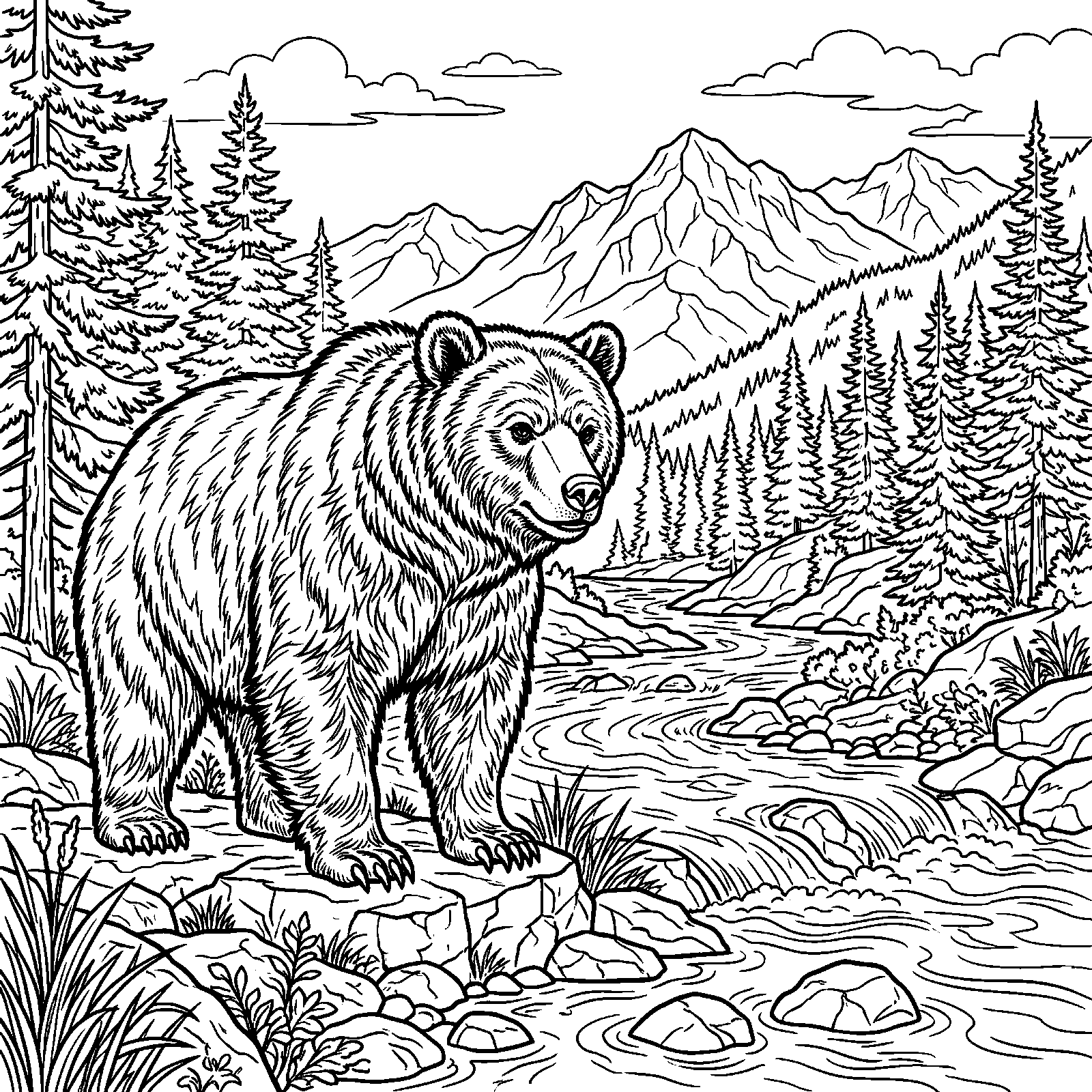
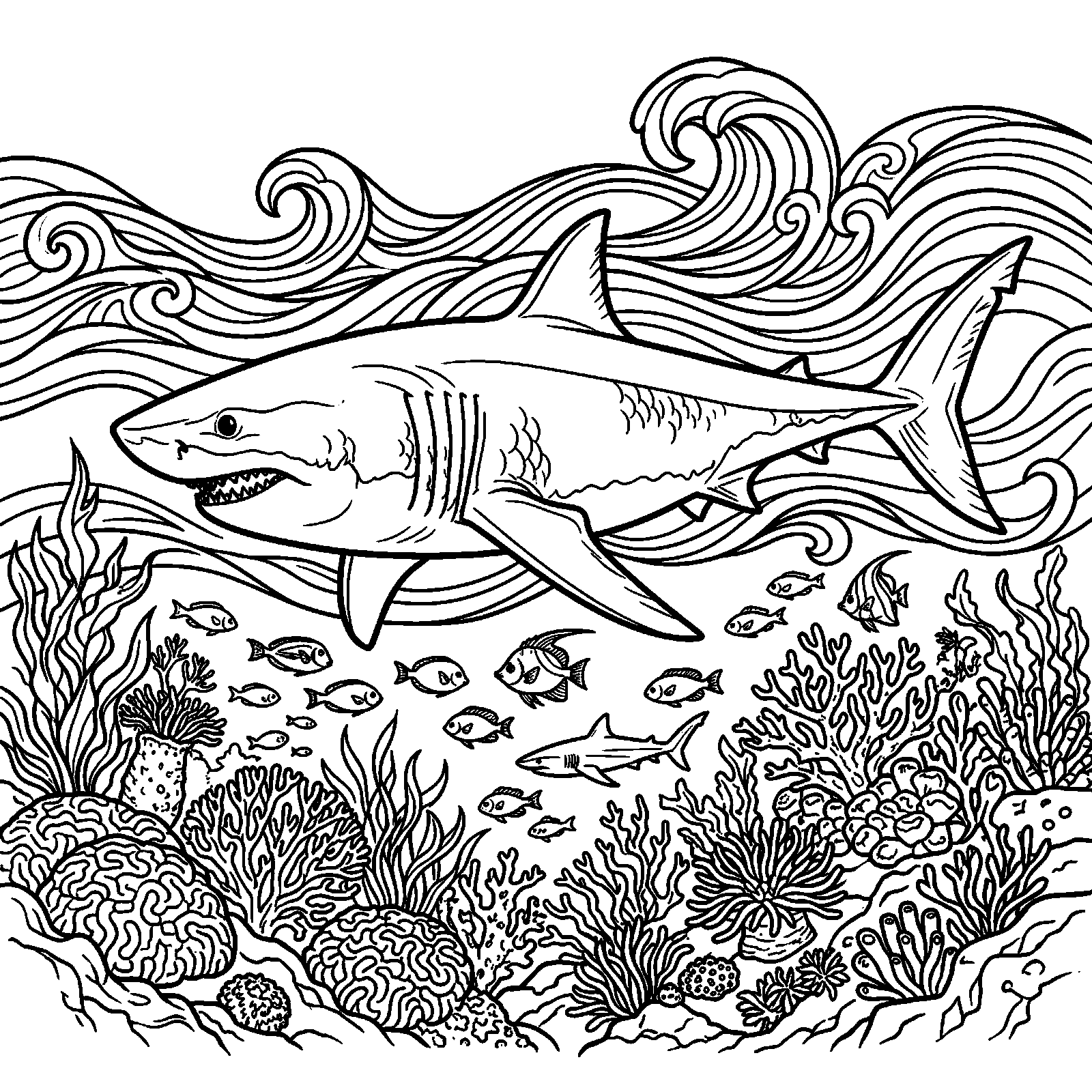
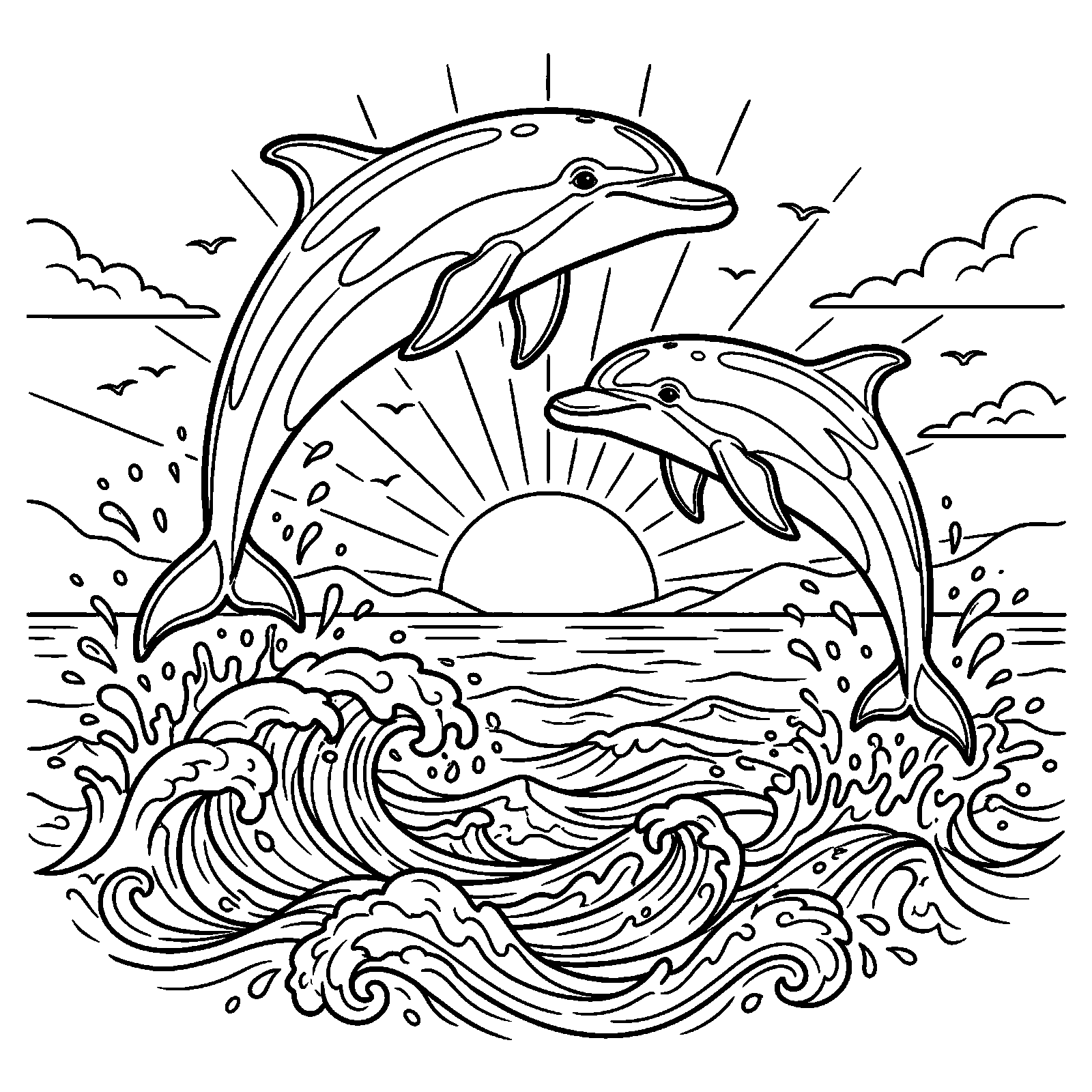
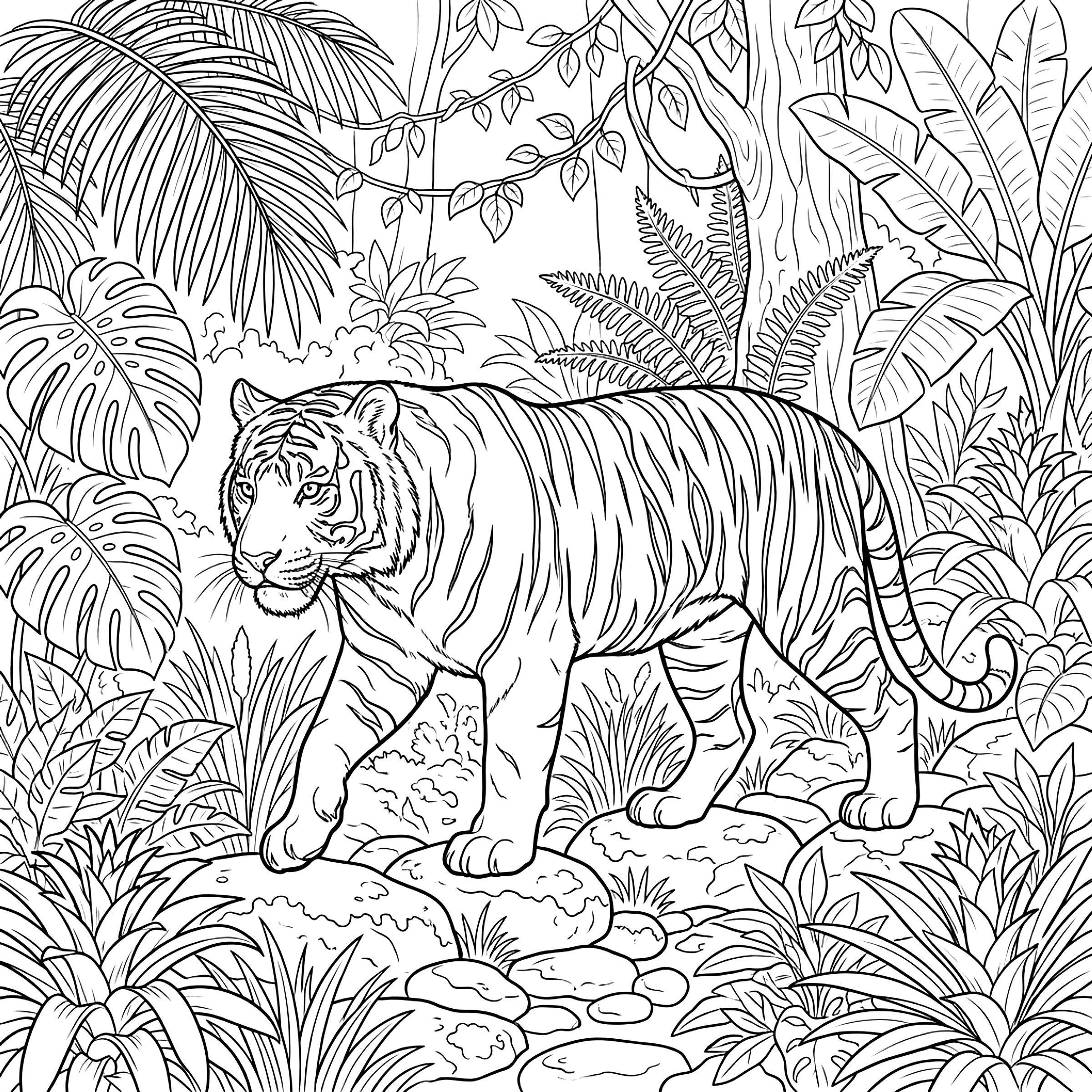
The collection features eleven magnificent creatures: lion, elephant, wolf, bear, shark, dolphin, fox, horse, tiger, owl, and eagle. It spans from powerful land mammals and agile ocean hunters to majestic birds of prey. Each page features custom scenic backgrounds, ensuring every coloring session feels fresh and exciting.
Why this age group loves them
By twelve, many kids are done with cartoon creatures but are still fascinated by real wildlife. These pages look close to documentary photos, which lets them try shading techniques that younger pages never allowed. They also make a good starting point for talking about habitats, food chains and conservation, whether at home or in a science class.
Getting believable fur and feathers
The secret is to follow the direction of the hair with short pencil strokes instead of filling the shape with a flat color. For feathers, work layer by layer, starting near the body and finishing at the tips. Blending two or three shades from the same family, pressing harder in the shadows, creates a result that looks almost three-dimensional.
Color palettes for each animal
Grays, blues and silvers suit the wolf, oranges and browns fit the fox and tiger, and earthy tones work for the horse, owl and eagle. Still, nobody says you have to be realistic: a purple wolf under a green moon has its own charm. What matters is picking a range of colors and sticking with it from start to finish.
Best supplies for the job
Mid-range or artist-grade colored pencils are the best allies because they let you layer. A white pencil can soften the transition between two shades, and a sharp black one defines eyes, noses and deep shadows. If you prefer markers, go for fine tips on the details and keep the broad ones for single-color backgrounds.
Printing and keeping your pages
The PDFs are sized for Letter and A4 with safe margins, so nothing gets clipped. Print at one hundred percent and choose medium or heavy paper, especially if you will stack layers of pencil. When you finish, slide your pages into a binder with plastic sleeves and build your own wildlife album.
Using these pages to learn about wildlife
Each animal can come with a tiny research project. Before coloring, look up where it lives, what it eats and what colors it has in nature, and jot down three facts that surprise you. Then color the page with those real colors and, if you like, repeat it with an invented palette. Comparing the two versions is a fun exercise that blends science and art, and it works well both at home and in class.