Geometric symmetry and details of ornate Andalusian arabesque tile
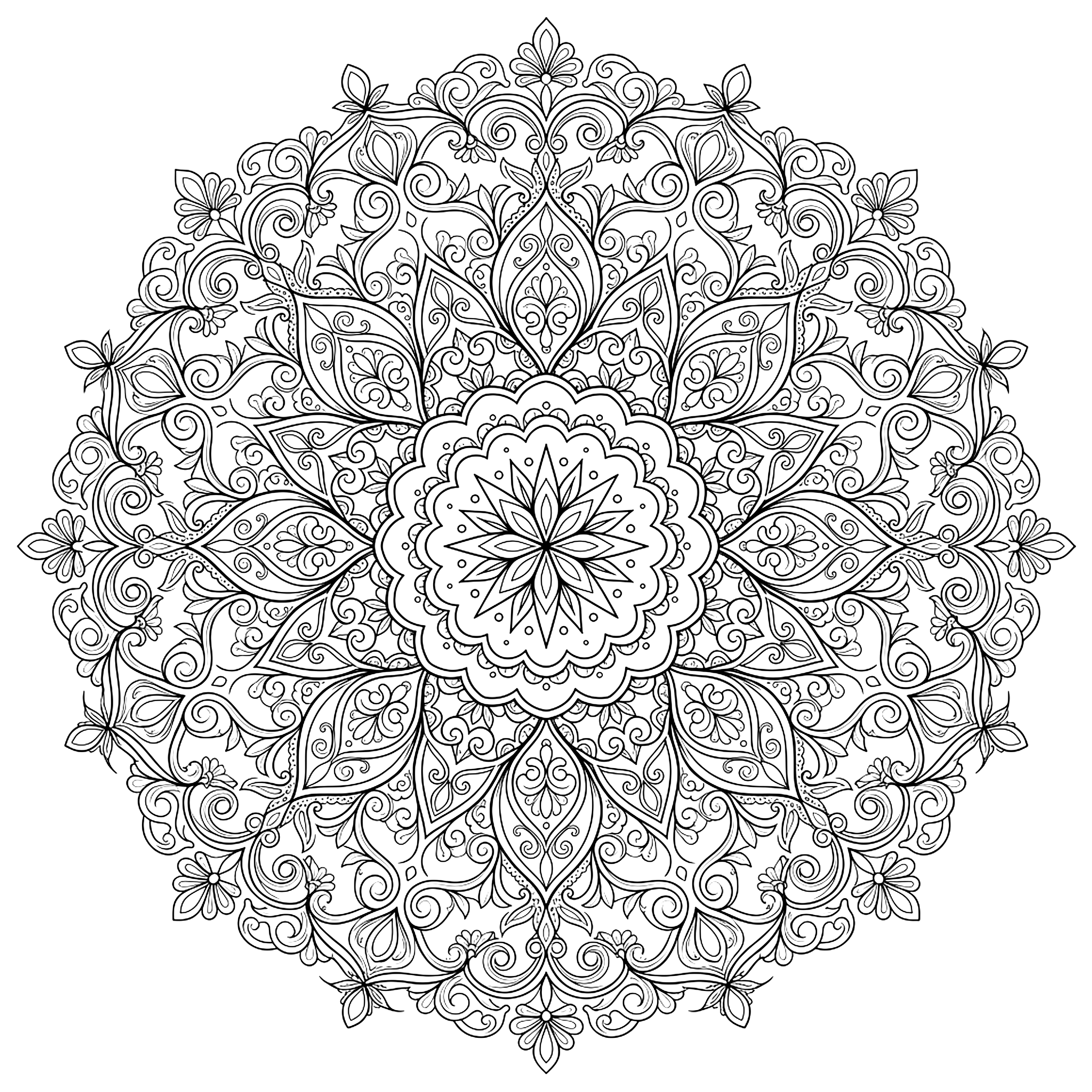
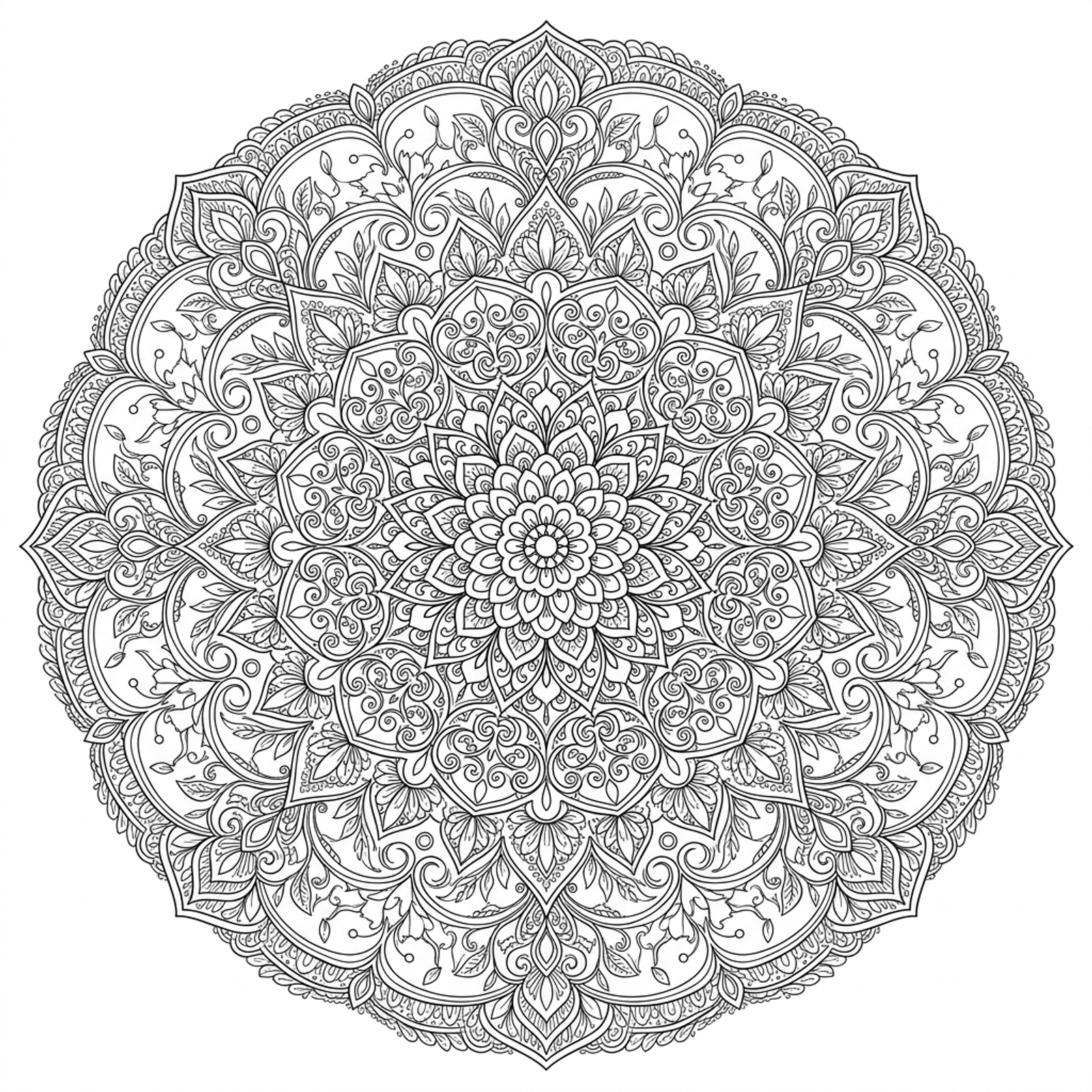
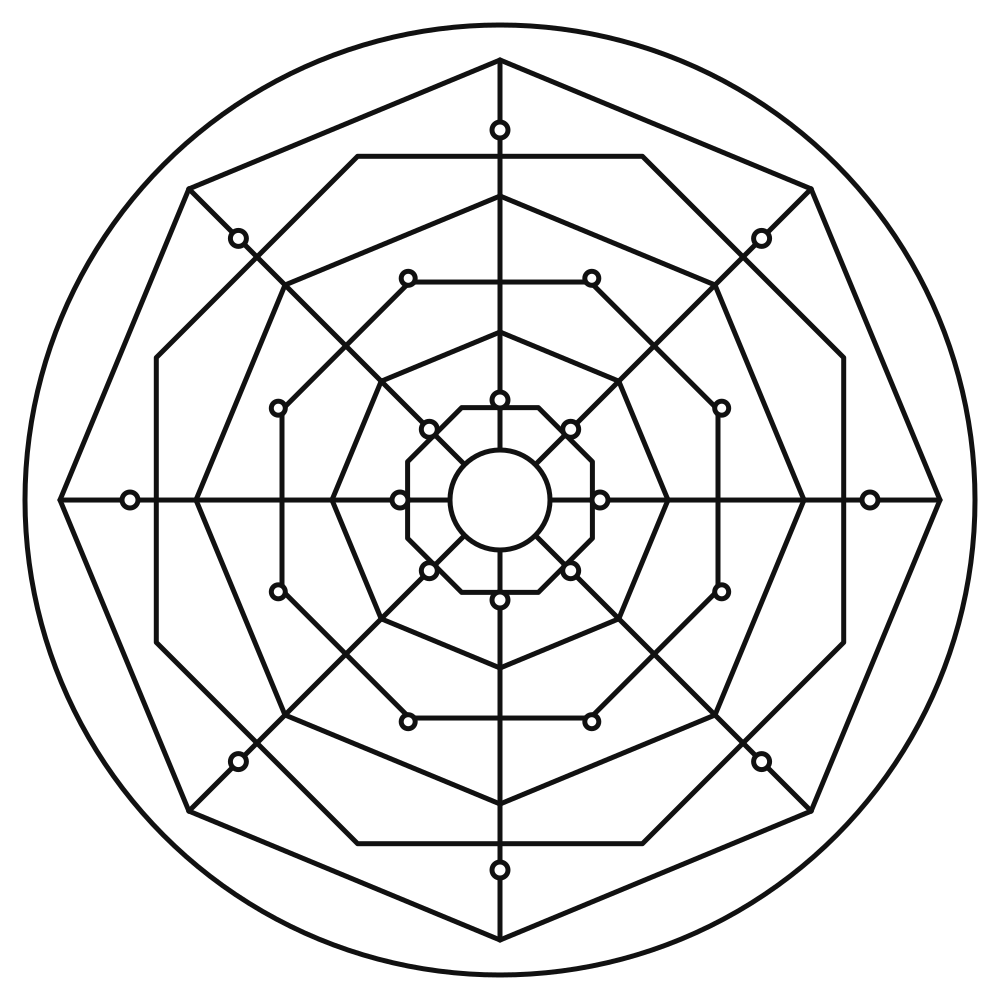
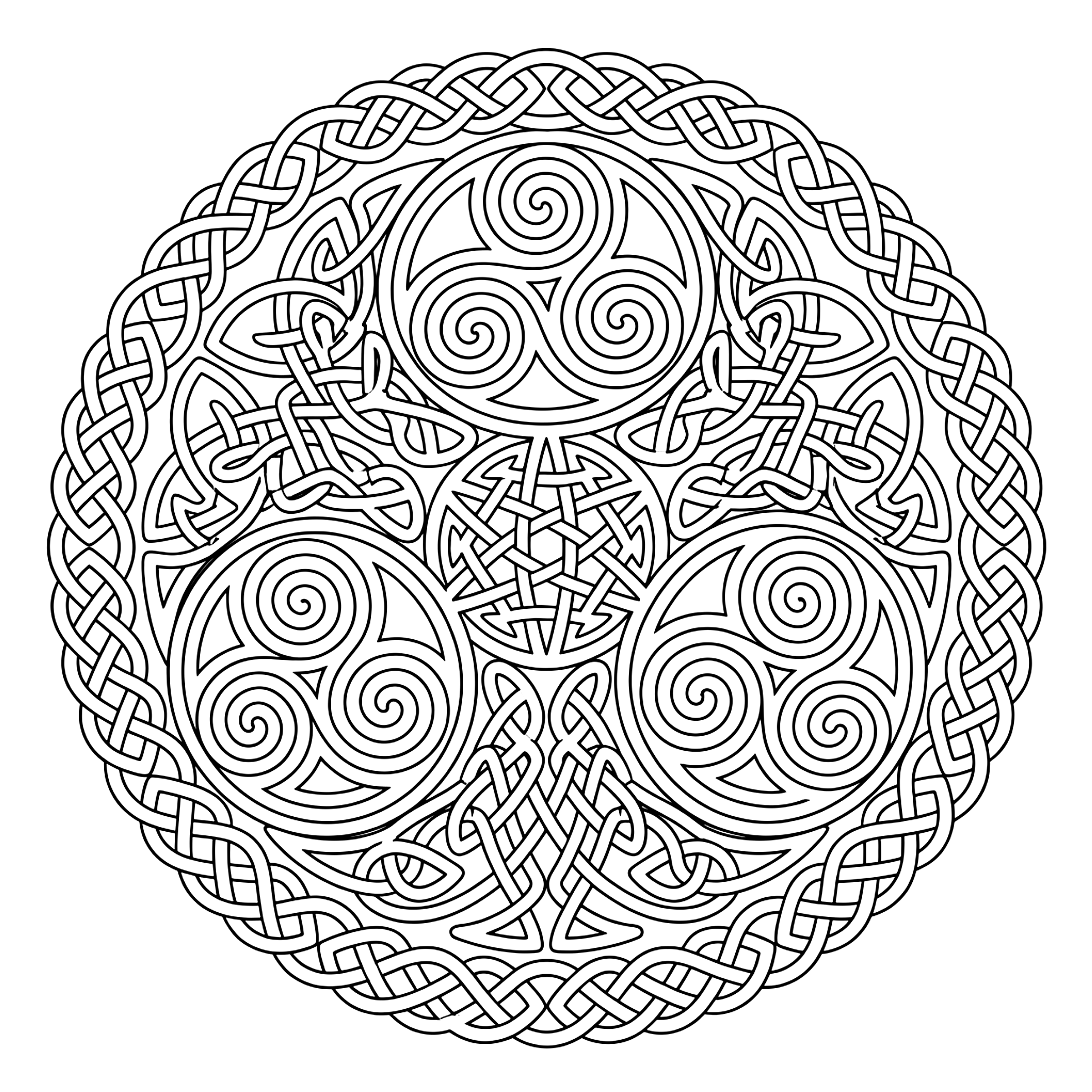
Constructed around interwoven geometric star polygons and repeating palmette tendrils, this radial tile layout reflects sophisticated mathematical tessellation. The razor-sharp ornamental compartments offer endless creative variations for colorists seeking deep, structured artistic immersion. Interlocking star polygons obey strict algebraic proportions that guide the viewer’s eye through an unbroken geometric journey of continuous harmony. Radiating arabesque strapwork rings interlock with rhythmic botanical palmettes, creating a lavish Alhambra courtyard aesthetic that invites contemplative mindfulness.
Recommended age range for ornate Andalusian arabesque tile
Tailored for young artists aged ten through sixteen, teenagers, and adult geometry enthusiasts who relish intricate patterns. Navigating tightly intersecting architectural polygons exercises fine manual dexterity while quieting anxiety through predictable mathematical repetition.
Printer setup for crisp ornate Andalusian arabesque tile mandala linework
Print this high-resolution vector PDF at actual size on standard Letter or A4 art paper without margin clipping. Sturdy cardstock around one hundred thirty grams accommodates fineliner marker pens and colored pencils without bleeding through or curling sheet edges.
Coloring techniques and palette for ornate Andalusian arabesque tile
Embrace a classic Moorish ceramic palette featuring royal cobalt blue, malachite green, antique gold leaf, and warm terracotta against ivory ceramic highlights. Leaving the central star polygons stark white mimics reflective glazed tilework in sunny palace courtyards. A breathtaking decorative technique involves tracing inner star boundaries with a metallic gold pen to emulate polished Alhambra palace tiles. Layering deep sapphire blue and jade green across the faceted polygons produces a rich stained-glass luminosity across the entire circular canvas.
Cultural history and meditative wisdom behind ornate Andalusian arabesque tile
Medieval artisans in Granada and Cordoba employed Euclidean geometric principles to evoke contemplation of boundless universal order. By repeating geometric star motifs infinitely, arabesque tile designs offered visitors a sanctuary of calm spiritual reflection.