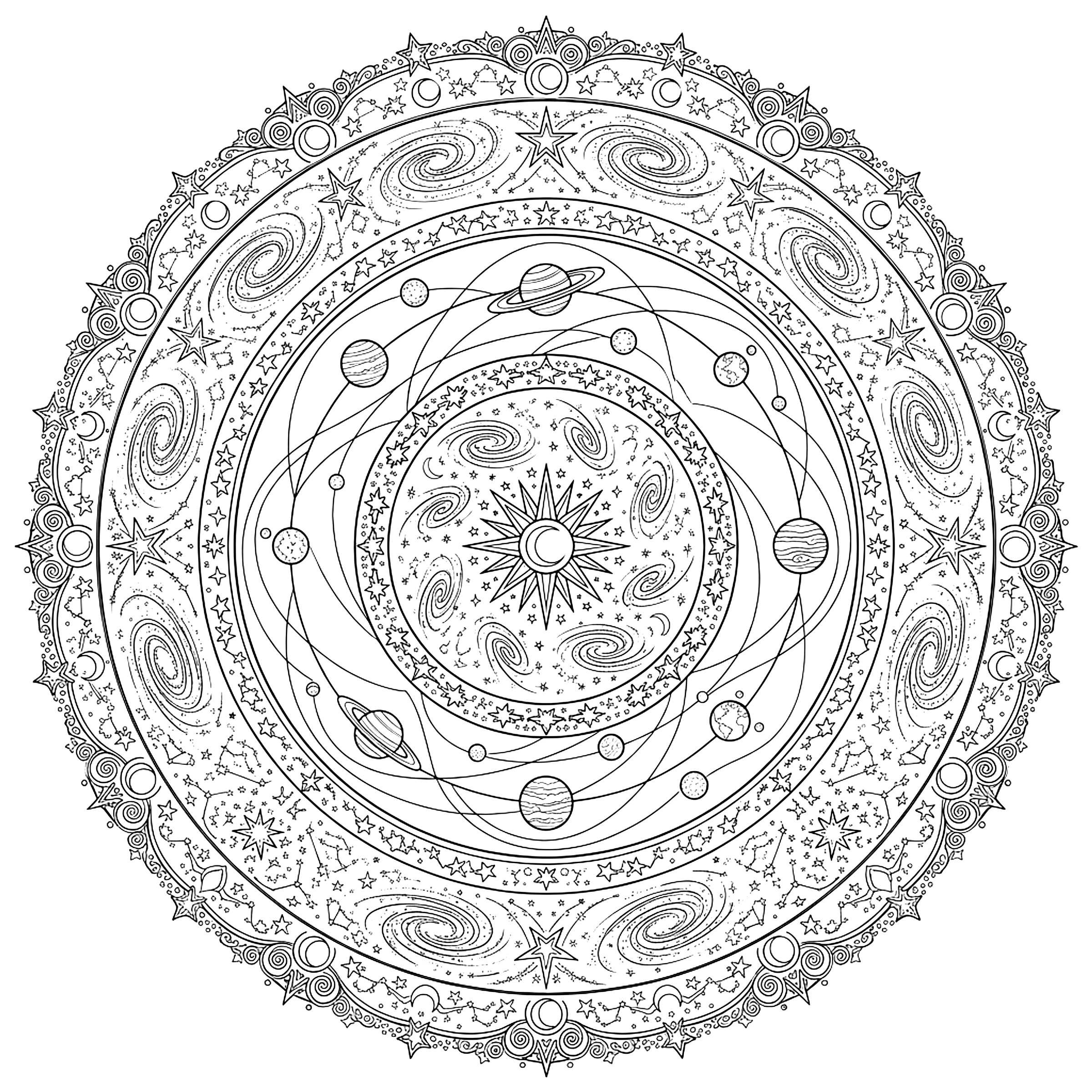
Geometric symmetry and details of pre-Columbian Aztec sun stone
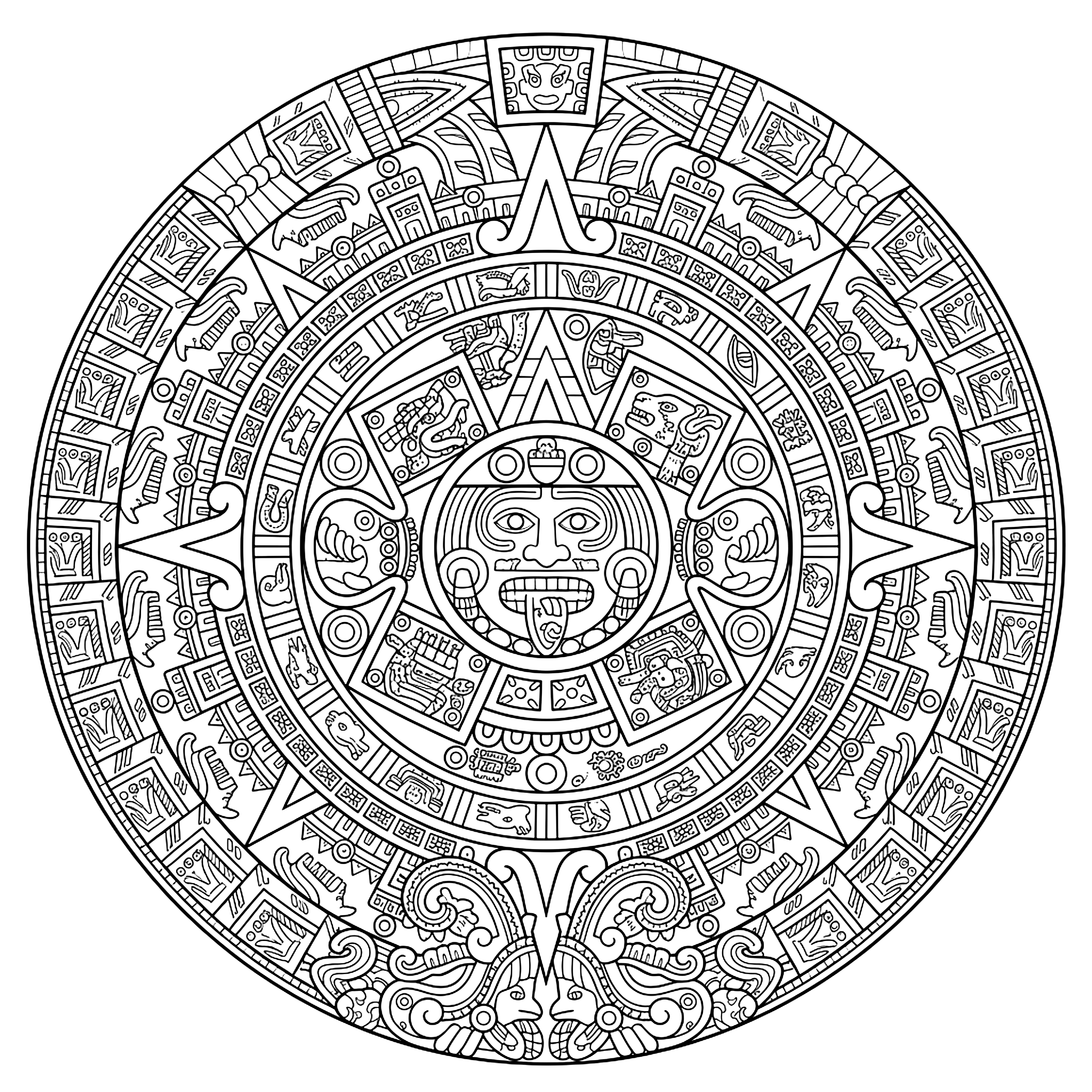
Inspired by the historic Aztec Sun Stone of Tenochtitlan, this radial composition integrates tiered temple steps, Quetzalcoatl serpent scales, and stylized solar ray wedges within concentric circular borders. The rigorous angular geometry provides rewarding opportunities for bold, high-contrast coloring experimentation across every tier. Ceremonial deity masks and stylized quetzal plumes around the perimeter demonstrate Aztec artisan mastery, pairing sharp pyramid angles with fluid sculptural curves. Tiered sunbeams and sacred jade beads punctuate the concentric borders with authoritative Mesoamerican majesty.
Recommended age range for pre-Columbian Aztec sun stone
Ideal for youths aged ten through sixteen, teenagers, and adult history enthusiasts who admire ancient tribal geometry. Navigating stepped frets enhances steady hand-eye control while offering a deeply engaging, screen-free creative challenge.
Printer setup for crisp pre-Columbian Aztec sun stone mandala linework
Download and print this high-definition vector PDF on Letter or A4 drawing paper at one hundred percent scale. Heavyweight paper of at least one hundred thirty grams ensures rich pigment saturation when layering earthy colored pencils or fineliner markers.
Coloring techniques and palette for pre-Columbian Aztec sun stone
Embrace an authentic Mesoamerican mineral palette using deep terracotta red, ochre gold, polished jade green, and brilliant turquoise. Adding dark walnut brown along recessed step edges creates dramatic three-dimensional carved stone realism. A superb coloring technique involves touching metallic gold pencil along triangular sun rays and jade beads to mimic ancient royal temple metalwork. Blending warm copper and burnished bronze accents into the serpent coils elevates the artwork into an antique archaeological treasure.
Cultural history and meditative wisdom behind pre-Columbian Aztec sun stone
In Aztec cosmology, the great solar disk chronicled the mythological epochs of creation, honoring the sun as the source of all earthly vitality. Stepped pyramid frets symbolized humanity’s sacred ascent to commune with celestial forces atop mountain temples.